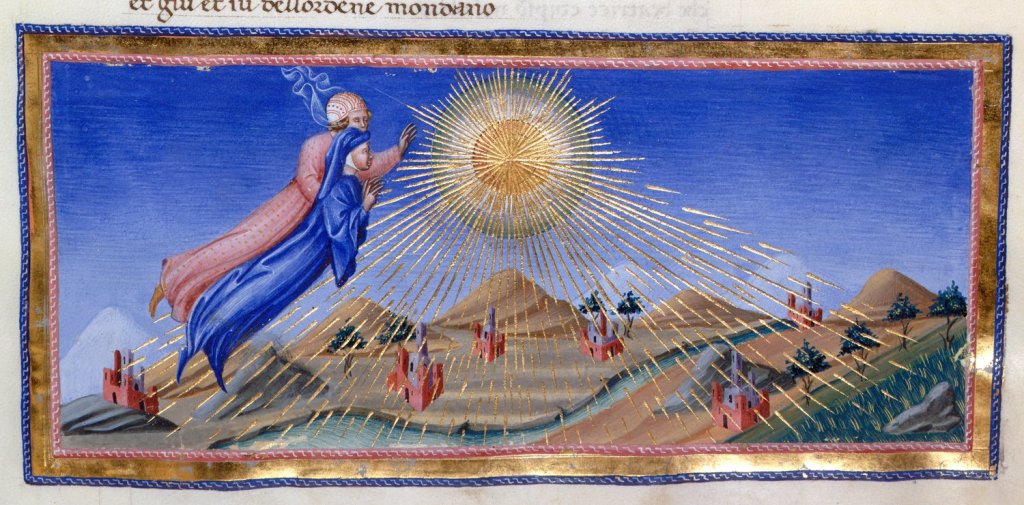
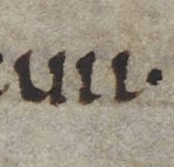
snǣd-mǣlum, adv: by bits, a bit at a time. (SNAED-MAE-lum / ˈsnæːd-ˌmæː-lʌm)
This week’s Wordhord Wednesday post is on King Alfred, over-eater and bread-burner. Read it on Patreon.
snǣd-mǣlum, adv: by bits, a bit at a time. (SNAED-MAE-lum / ˈsnæːd-ˌmæː-lʌm)
This week’s Wordhord Wednesday post is on King Alfred, over-eater and bread-burner. Read it on Patreon.
hwīl-þrāg, f.n: period of time. (HWEEL-THRAWGH / ˈhwiːl-ˌθraːx)
How old is Old English? Have a look at the Wordhord App’s timeline to see English phrases going back 1500 years! Download for iOS on the App Store.
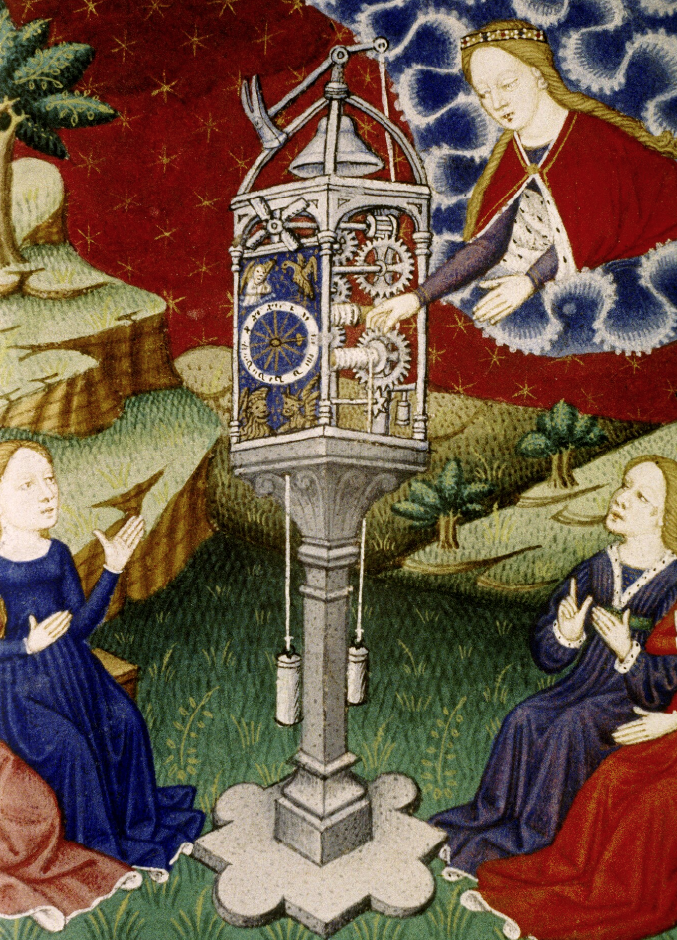
ende, n: end. (EN-duh / ˈɛn-də)
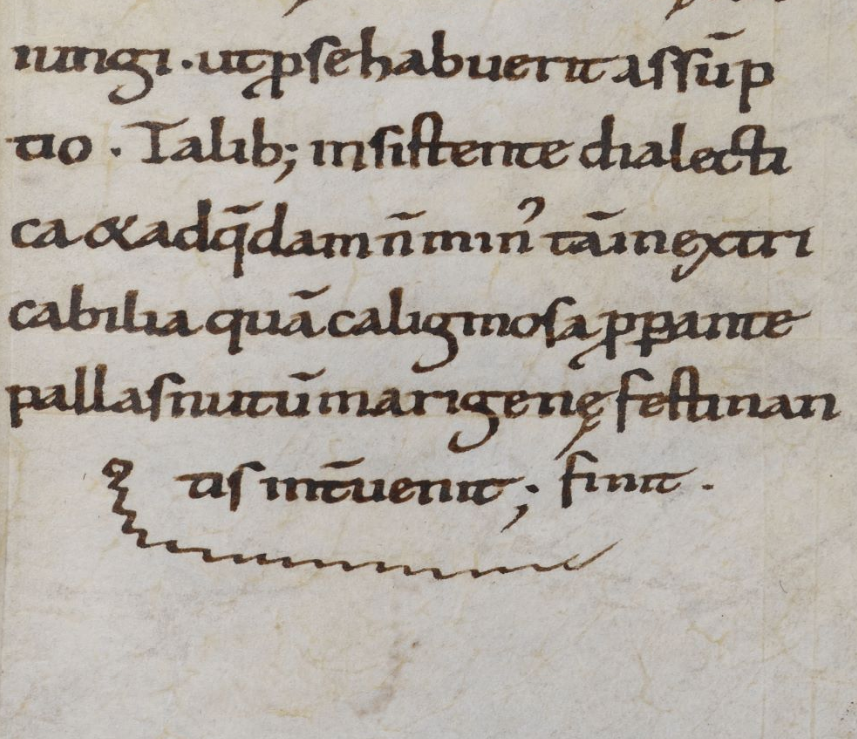
un-gnīðe, adj: not scanty, liberal, abundant. (un-G’NEE-theh / ʌn-ˈgniː-θɛ)
This week’s Wordhord Wednesday post is on noble smells to live by. Read it on Patreon.
first-mearc, m/f.n: an interval of time. (FIRST-MEH-ark / ˈfɪɹst-ˌmɛaɹk)
wic-weorc, n.n: weekly work, work done for the lord by the tenant so many days a week. (WICK-WEH-ork / ˈwɪk-ˌwɛɔɹk)
lang-toh, adj: long-drawn, extensive. (LAHNG-toh / ˈlaŋ-ˌtɔh)
wīd-brād, adj: wide-spread, far-spreading, ample. (WEED-BRAHD / ˈwiːd-ˌbɹaːd)
sumer-lang, adj: long as in summer, epithet of a day. (SUM-er-LAHNG / ˈsʌ-mɛr-ˌlaŋ)