domne, m.n: lord or lady, referring to a person of high status. (DOM-nuh / ˈdɔm-nə)
Category Archives: deorhord book
nǣdre
nǣdre, f.n: snake, serpent, adder, viper. (NADD-ruh / ˈnæː-drə)

strǣt
strǣt, f.n: street, road. (STRAT / ˈstræːt)
swīðe
swīðe, adv: very, much, exceedingly. (SWEE-thuh / ˈswiː-θə)
In this week’s Wordhord Wednesday, learn why you can’t find ‘penis’ in the Old English dictionary. Read it on Patreon.
tunge
tunge, f.n: tongue. (TUNG-guh / ˈtʌŋ-gə)
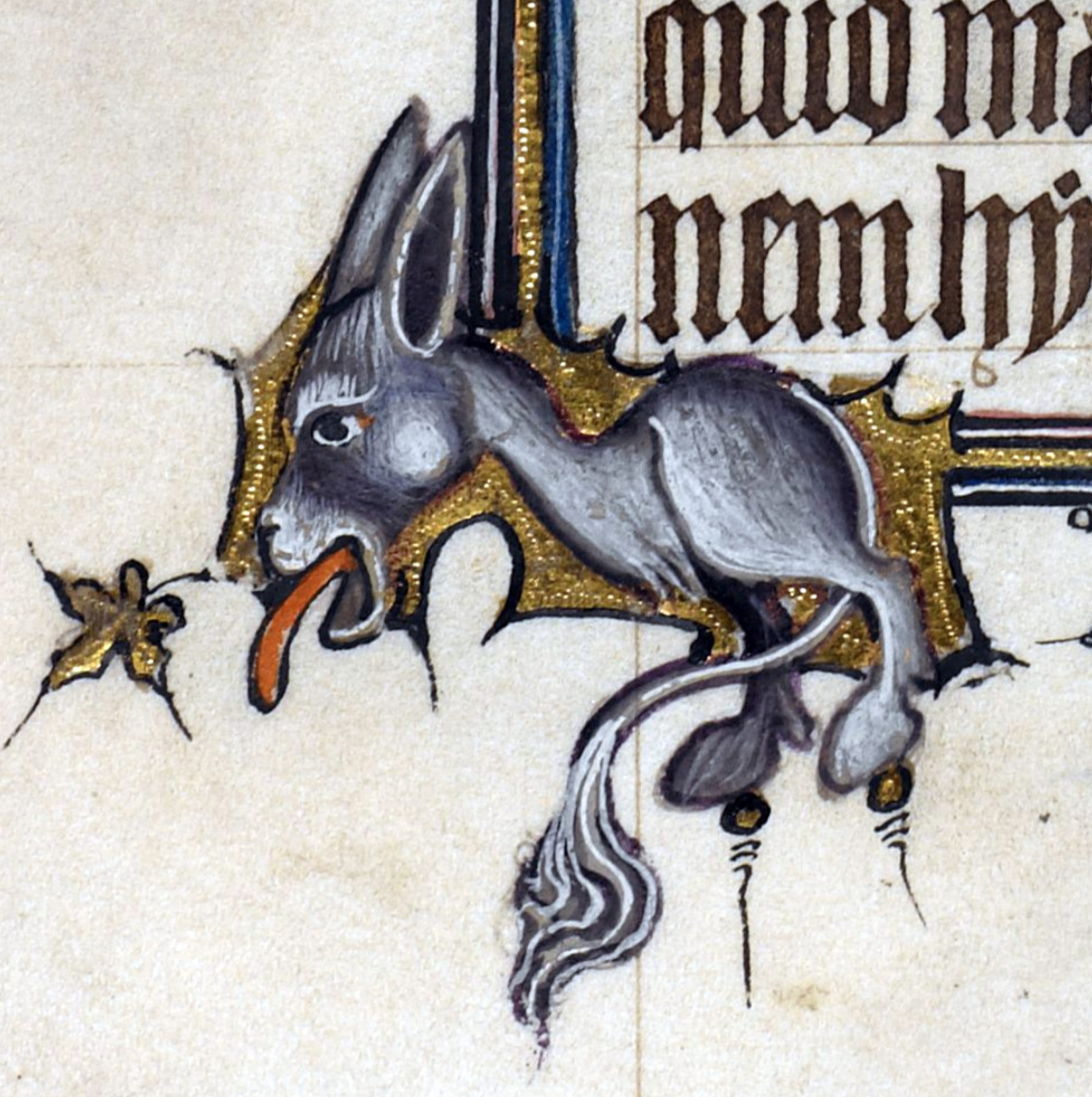
hē
hē, pronoun: he (or a pronoun that refers to a grammatically masculine noun). (hay / heː)
hēo
hēo, pronoun: she (or a pronoun that refers to a grammatically feminine noun). (hay-oh / heːɔ)
feormere
feormere, m.n: one who supplies with food, purveyor. (FEH-or-meh-ruh / ˈfɛɔr-mɛ-rə)
This week’s Wordhord Wednesday post is a reading from The Seafarer. Hear it on Patreon.
aspide
aspide, m/f.n: asp. (AH-spih-duh / ˈa-spɪ-də)

eofor
eofor, m.n: wild boar. (EH-ov-or / ˈɛɔ-vɔr)
This week’s Wordhord Wednesday post answers the question ‘How many fish are there in the sea?’ Read it on Patreon.
 Old English Wordhord