frōfor-word, n.n: word of consolation. (FRO-vor-WORD / ˈfroː-vɔr-ˌwɔrd)
Category Archives: communication
sprǣc
sprǣc, f.n: speech, talking, what is said. (SPRATCH / ˈspræːtʃ)
On the Wordhord App for iOS you can hear Old English words spoken out loud.

stǣr
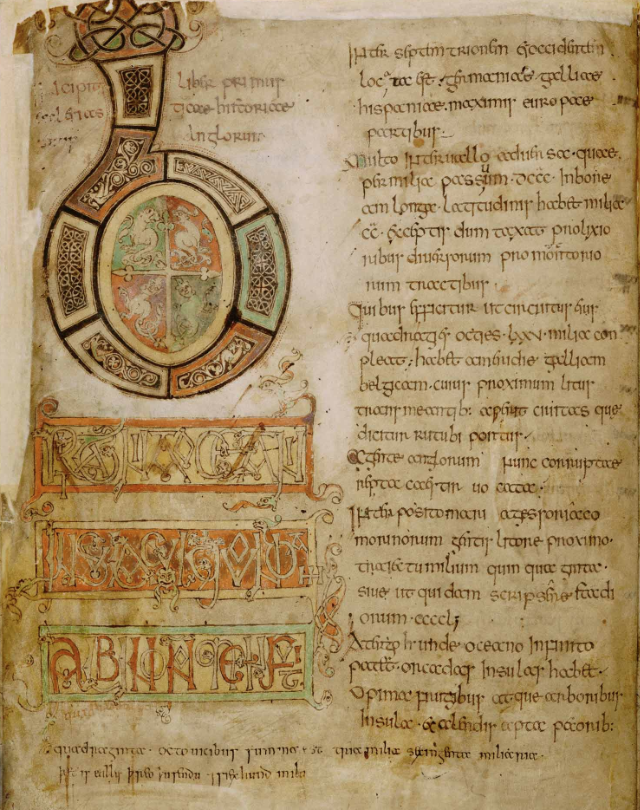
biter-wyrde
biter-wyrde, adj: bitter in speech, inclined to harsh words. (BIH-ter-WUER-duh / ˈbɪ-tɛr-ˌwyr-də)
ge-tingness
ge-tingness, f.n: eloquence, ease of speech. (yeh-TING-ness / jɛ-ˈtɪŋ-nɛs)
wordhord
wordhord, n.n: a word-hoard, a store of words. (WORD-HORD / ˈwɔrd-ˌhɔrd)
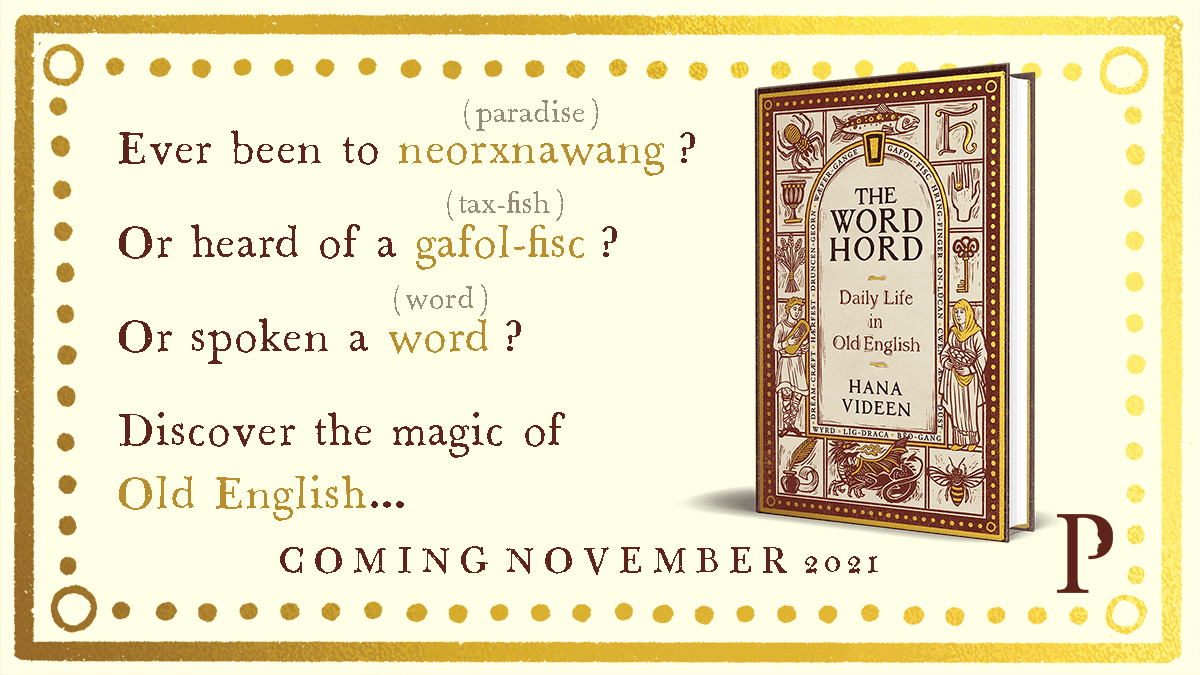
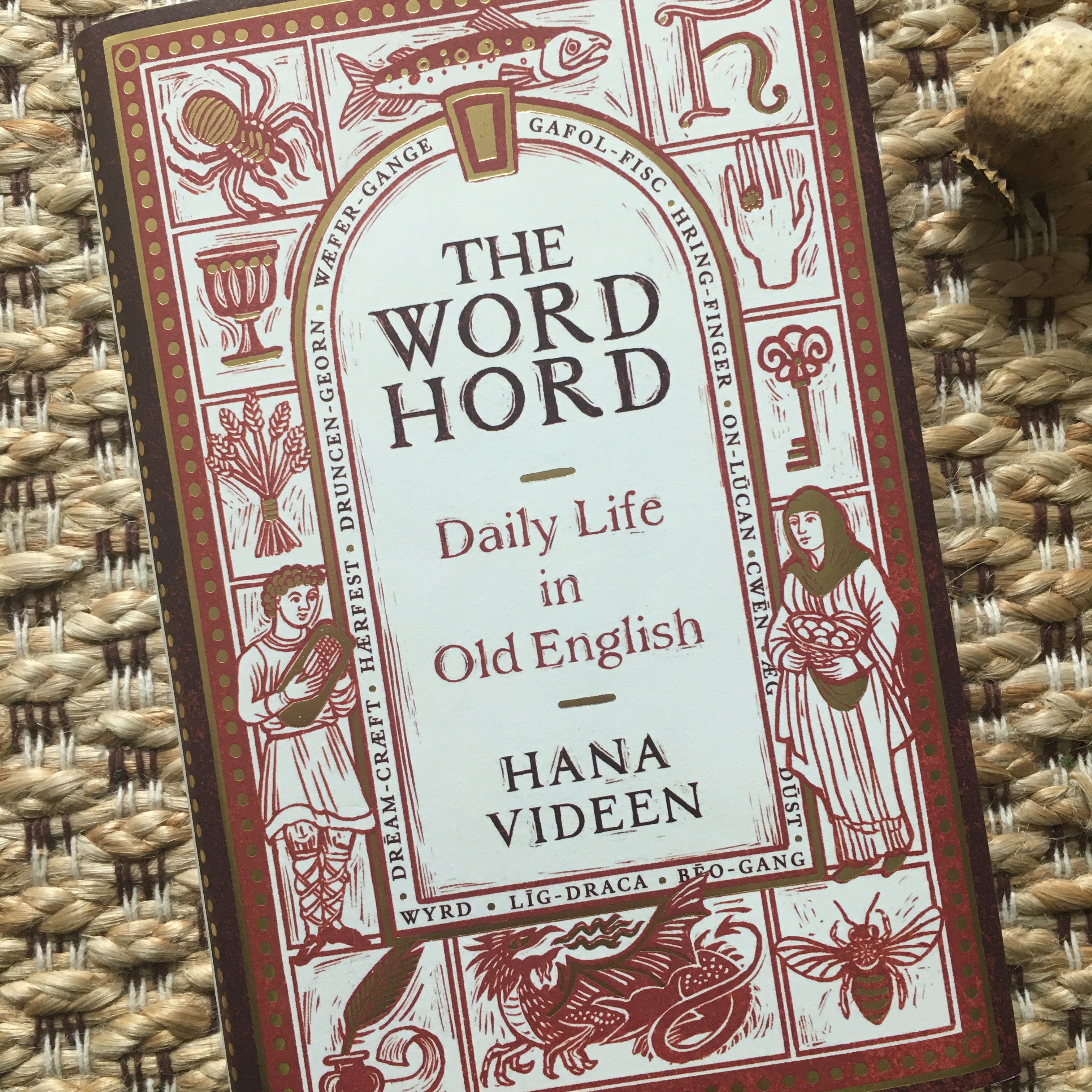
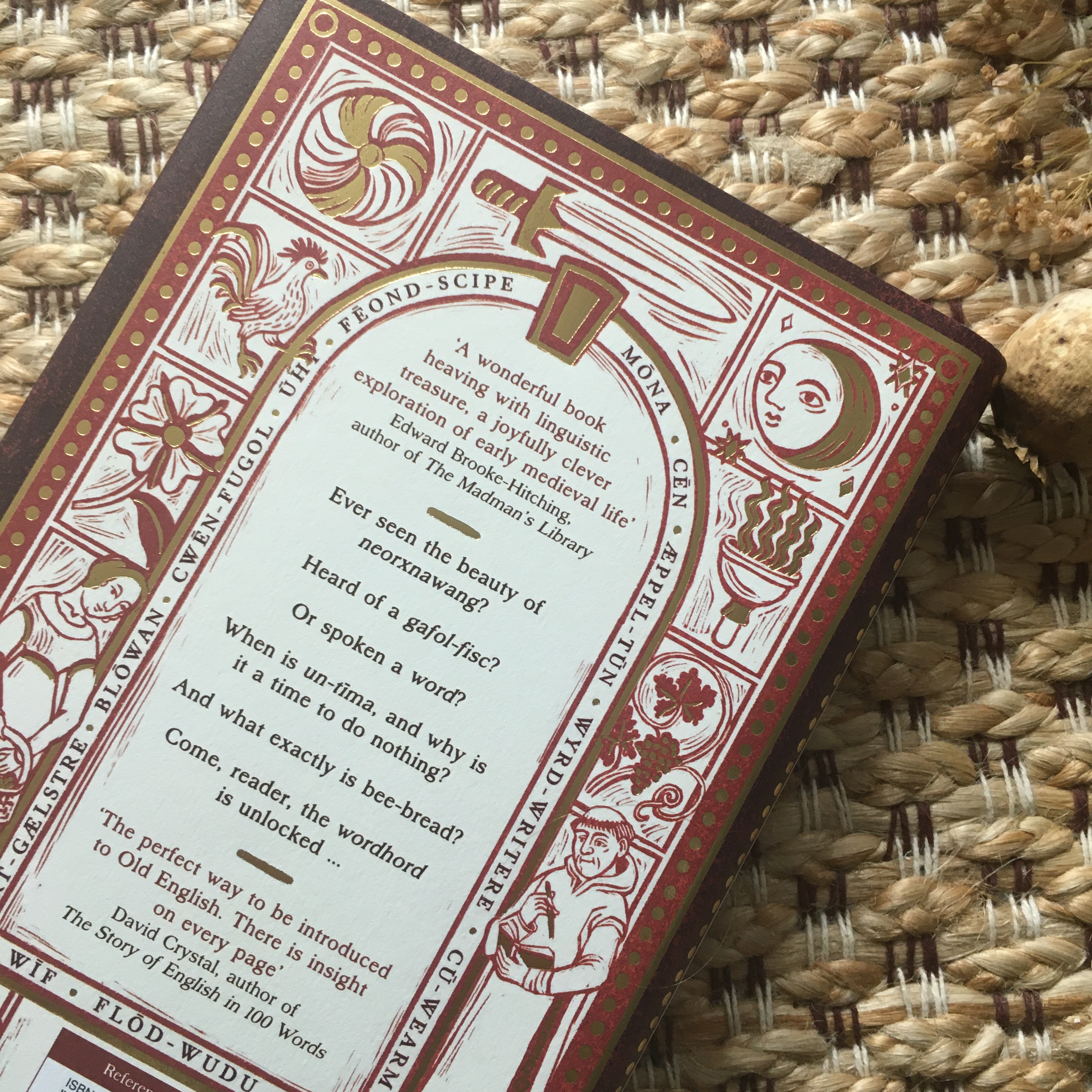
Today is a word-of-the-day redux from 2,731 days (and words) ago. I try not to repeat words, but I’m making an exception today because of a special announcement: my book The Wordhord will be published exactly six months from today!
Find out more and where to buy at oldenglishwordhord.com/book.
The Wordhord: Daily Life in Old English will be published in the UK by Profile Books on 11 November 2021, and in North America by Princeton University Press on 12 April 2022!
word-loca
word-loca, m.n: ‘word-locker’, store of words. (WORD-LOCK-ah / ˈwɔrd-ˌlɔ-ka)
stæf
stæf, m.n: written character, letter. (STAFF / ˈstæf)
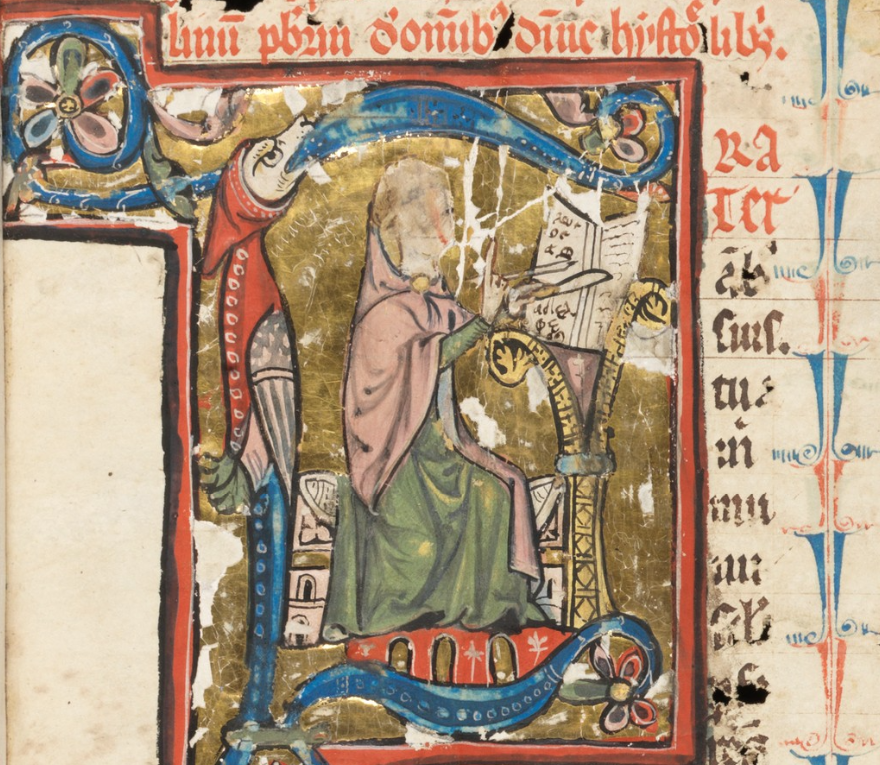
folc-lār
folc-lār, f.n: homily, lit. ‘people-instruction’ (despite the similarity, modern English ‘folklore’ developed independently with a different meaning). (FOLK-LAHR / ˈfɔlk-ˌlaːɹ)
This week’s Wordhord Wednesday post is on ‘new-farers’. Read it on Patreon.
bōc
bōc, f.n: book. (BOAK / ˈboːk)
 Old English Wordhord