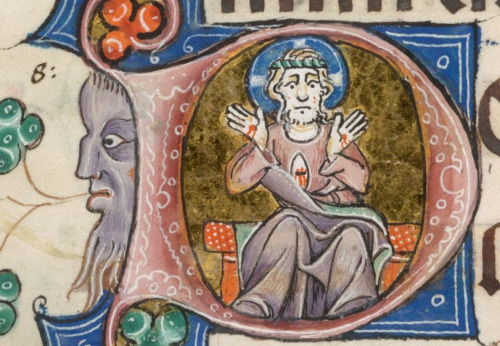
wiþer-wengel, m.n: adversary. (WITH-er-WENG-gell / ˈwɪ-θɛr-ˌwɛŋ-gɛl)
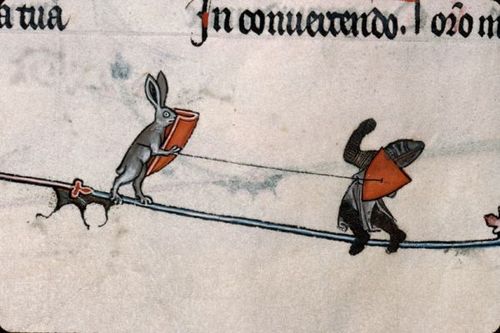
wiþer-wengel, m.n: adversary. (WITH-er-WENG-gell / ˈwɪ-θɛr-ˌwɛŋ-gɛl)
aglǣcwīf, n.n: hostile female fighter, fierce female combatant. (AH-GLATCH-weef / ˈa-ˌglæːtʃ-wiːf)
āglǣca, m.n: hostile fighter, fierce combatant, great opponent. (AH-GLATCH-ah / ˈa-ˌglæː-tʃa)
There aren’t any good word-for-word translations. Often translators use ‘monster’ but there is no word in Old English that means simply ‘monster’, and āglǣca can refer to (human) heroes as well as monsters. Grendel is an āglǣca but so is Beowulf.
sige, m.n: victory, triumph; success in war or conflict. (SIH-yuh / ˈsɪ-jə)
rand, m.n: brink, edge, margin, shore; a shield or shield boss. (ROND / ˈɹand)
tācn-berend, m.n: a standard-bearer. (TAH-kun-BEH-rend / ˈtaː-kən-ˌbɛ-ɹɛnd)
heoru-cumbul, n.n: a warlike ensign, battle standard. (HEH-or-uh-KUM-bull / ˈhɛɔ-ɹʌ-ˌkʌm-bʌl)
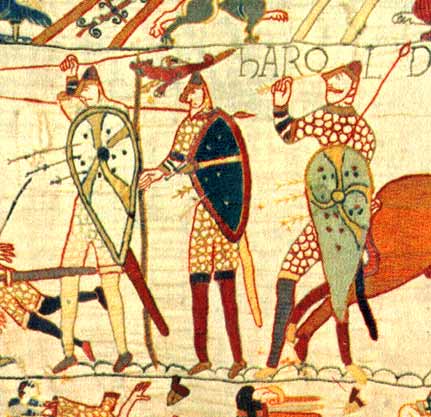
wǣpen-þracu, f.n: force of arms; lit. ‘weapon-force’ or ‘weapon-violence’. (WAE-pen-THRA-kuh / ˈwæː-pɛn-ˌθɹa-kʌ)
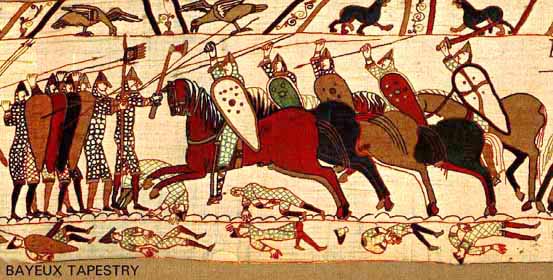
fyrd-hwæt, adj: bold in warfare, warlike, brave. (FURD-HWAET / ˈfɝɹd-ˌhwæt)
dolh, n.n: a wound, scar of a wound, cut, gash, sore. (DOL’H / ˈdɔlh)