māl-sweord, n.n: a sword with inlaid ornament. [MALL-SWEH-ord]
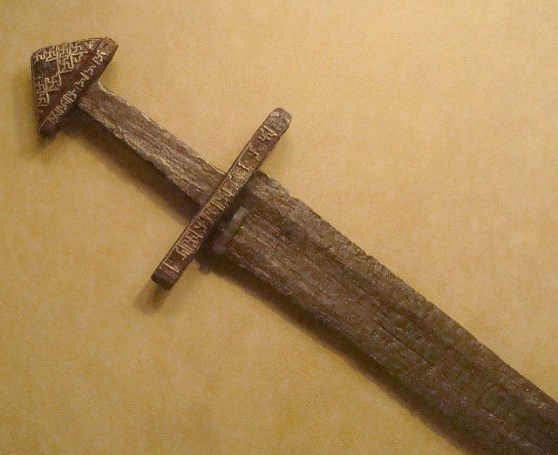
Viking sword, 800-900; pattern-welded iron inlaid with silver wire. Metropolitan Museum of Art. Photo by Neil R (@IslesPunkFan), 2010: CC BY-NC 2.0. [flickr.com]
māl-sweord, n.n: a sword with inlaid ornament. [MALL-SWEH-ord]
Viking sword, 800-900; pattern-welded iron inlaid with silver wire. Metropolitan Museum of Art. Photo by Neil R (@IslesPunkFan), 2010: CC BY-NC 2.0. [flickr.com]
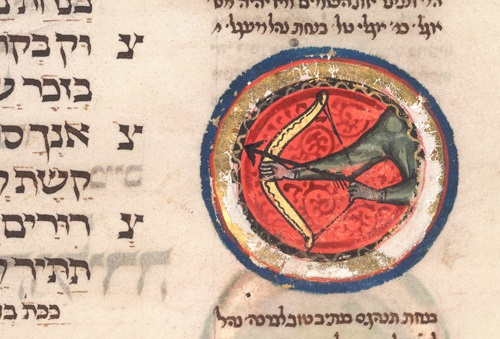
strǣl-bora, m.n: an archer. (STRAEL-BOR-ah / ˈstɹæːl-ˌbɔ-ɹa)
ge-wǣpnian, wk.v: to arm, furnish with weapons. (yeh-WAPP-ni-ahn / jɛ-ˈwæp-nɪ-an)
ferd-faru, f.n: a military expedition. (FERD-FA-ruh / ˈfɛrd-ˌfa-rʌ)
here-numa, m.n: a captive, prisoner of war. (HEH-ruh-NUH-ma / ˈhɛ-rə-ˌnʌ-ma)
swōgan, str.v: to make a sound, move with noise, rush, roar (of wind, water, flame); (figuratively) to move with violence, invade. (SWO-gahn / ˈswoː-gan)
drepan, str.v: to strike (mortally); to kill. (DREH-pahn / ˈdrɛ-pan)
fyl-wērig, adj: slaughter-weary. (FULL-WAY-rih / ˈfyl-ˌwɛ-rɪj)
ēored-cist, f.n: a company, troop. (AY-or-ed-CHIST / ˈeːɔ-ɹɛd-ˌtʃɪst)
beorn-þrēat, m.n: a band of men or warriors. (BEH-orn-THRAY-aht / ˈbɛɔrn-ˌθreːat)
 Old English Wordhord