gāt, f.n: goat. (GAHT / ˈgaːt)

gāt, f.n: goat. (GAHT / ˈgaːt)
hafoc, m.n: a hawk. (HA-vock)
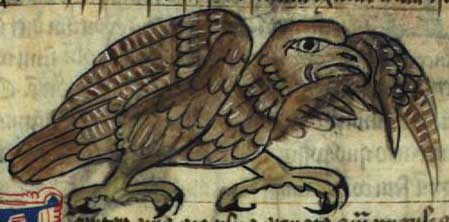
Bestiary of Ann Walsh. England, 15th century. Copenhagen, Kongelige Bibliotek, Gl. kgl. S. 1633 4º, f. 42r. [bestiary.ca]
fald-gang, m.n: fold-going, putting sheep in fold to manure the land. (FALD-gong)
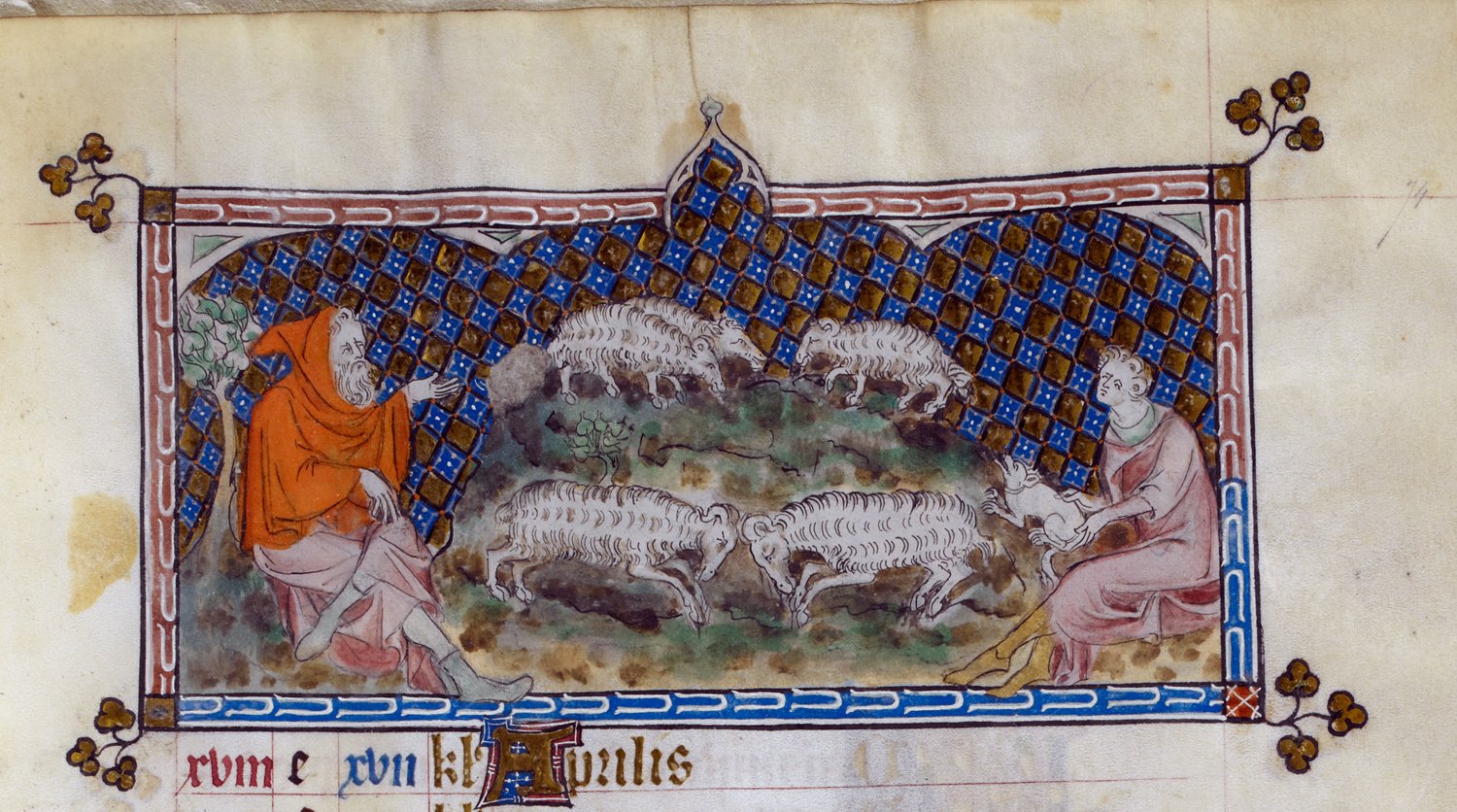
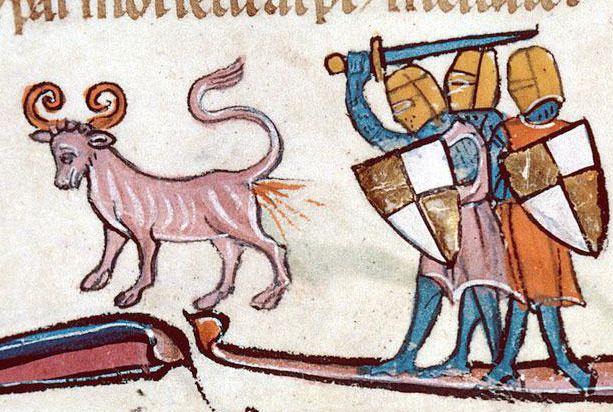
The Queen Mary Psalter. England, between 1310 and 1320. British Library, Royal 2 B VII, f. 74. [bl.uk]
bēo, f.n: a bee. (BAY-oh / ˈbeːɔ)

hund, m.n: hound, dog. (HUND / ˈhʌnd)

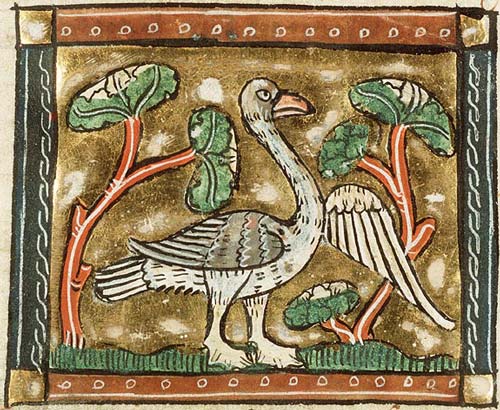
gōs, f.n: a goose. (GOHS / ˈgoːs)
wyrm-hord, n.n: a treasure held by a serpent, dragon’s hoard. (WURM-hord)
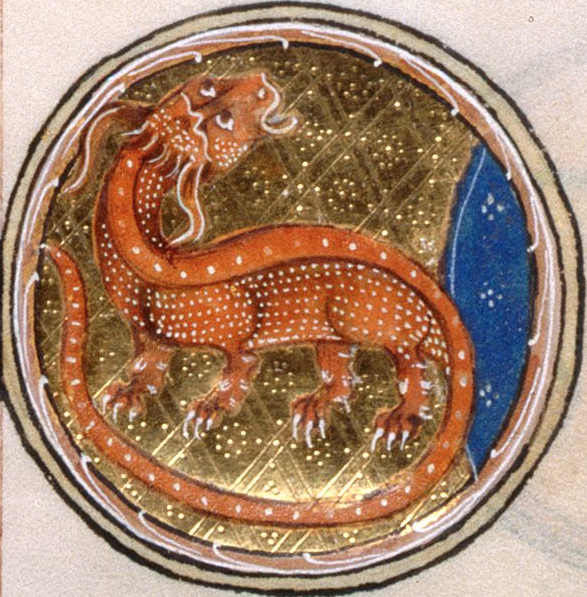
The Gorleston Psalter. England (Suffolk), 1310-1324. British Library, Add MS 49622, f. 5v. [bl.uk]
cū-ēage, f.n: a cow’s eye. (KOO-AY-ah-yuh / ˈkuː-ˌeːa-jə)

cūe mesa, m.n: cow’s dung. (KOO-eh-MEH-za / ˈkuː-ɛ-ˌmɛ-za)
This week’s Wordhord Wednesday post is about Windsor and its first appearance in writing. Read it on Patreon.
hearma, m.n: a field-mouse or a dormouse. (HAY-ar-ma)
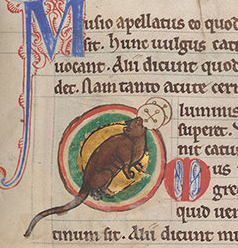
Worksop Bestiary. England, c. 1185. New York, Morgan Library, MS M.81, f. 47r. [ica.themorgan.org]
 Old English Wordhord