twi-sprǣc, f.n: double speech, unfair speech, detraction. (TWIH-SPRATCH / ˈtwɪ-ˌspræːtʃ)
This week’s Wordhord Wednesday post is on the origin of double-speak. Read it on Patreon.
twi-sprǣc, f.n: double speech, unfair speech, detraction. (TWIH-SPRATCH / ˈtwɪ-ˌspræːtʃ)
This week’s Wordhord Wednesday post is on the origin of double-speak. Read it on Patreon.
liþe-bīge, adj: flexible at the joints, pliant; (in extended sense) compliant, humble, meek. (LITH-uh-BEE-yuh / ˈlɪ-θə-ˌbiː-jə)

hlacerian, wk.v: to scoff at, mock. (H’LOCK-eh-ri-ahn / ˈhla-kɛ-rɪ-an)
ymb-clypping, f.n: an embrace. (umb-KLUEP-ping / ymb-ˈklyp-pɪŋ)
Happy Hug a Medievalist Day (and also Ēaster-dæg to those who celebrate)!

a-lȳsan, wk.v: to deliver, release, liberate, rescue, free. (ah-LUE-zahn / a-ˈlyː-zan)

crist, m.n: Jesus Christ. (KRIST / ˈkrɪst)

lān, f.n: the action of lending, loan; a sum of money that has been lent. (LAHN / ˈlaːn)
sundor, adv: apart, aloof, by one’s self; in a manner different from others. (SUN-dor / ˈsʌn-dɔr)
This week’s Wordhord Wednesday post is on domne, dryhten and hlaford, the lords and ladies of Old English. Read it on Patreon.
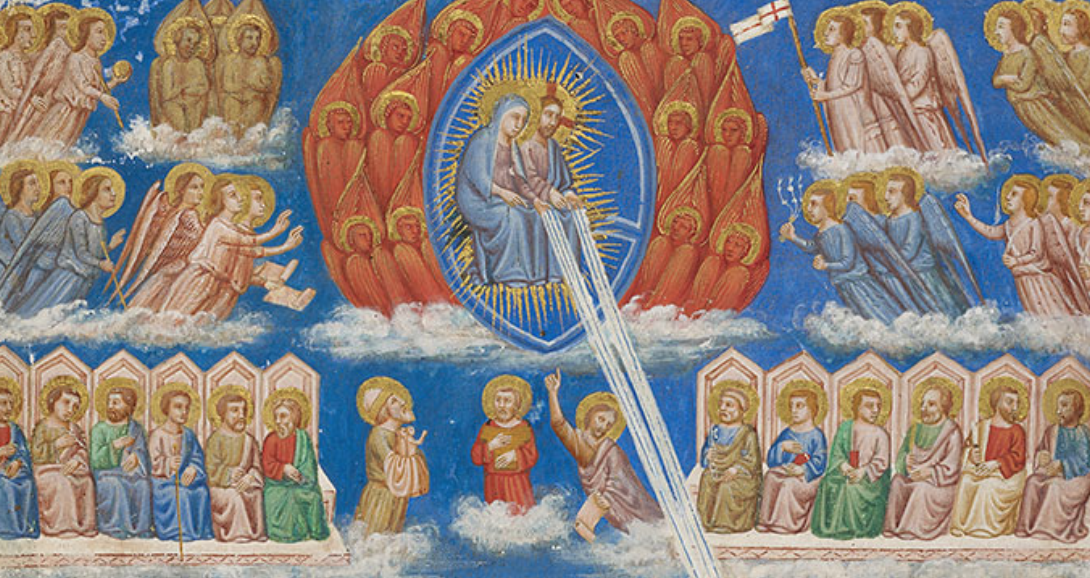
heofon-heall, f.n: hall of heaven. (HEH-o-von-HEH-all / ˈhɛɔ-vɔn-ˌhɛal)
welig, m.n: willow. (WELL-ih / ˈwɛ-lɪj)
 Old English Wordhord