fisc, m.n: fish; any animal that lives exclusively in the water. (FISH / ˈfɪʃ)
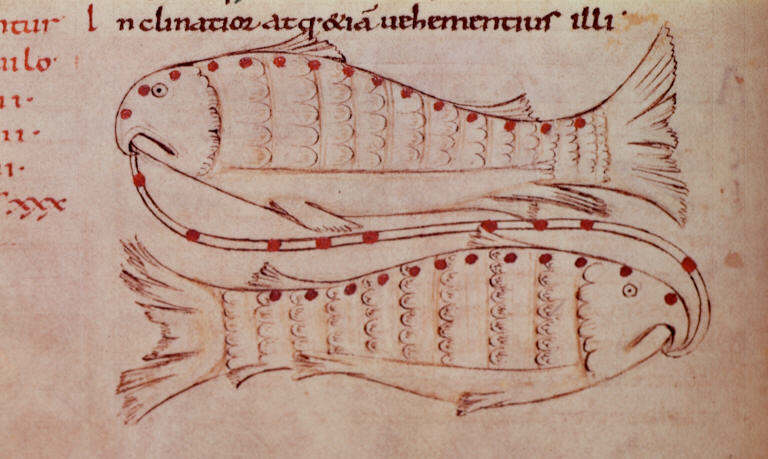
fisc, m.n: fish; any animal that lives exclusively in the water. (FISH / ˈfɪʃ)
wæter-berend, m.n: a water-bearer. (WAE-ter-BEH-rend / ˈwæ-tɛr-ˌbɛ-rɛnd)

stān-bucca, m.n: a mountain goat. (STAHN-BUH-ka / ˈstaːn-ˌbʌ-ka)
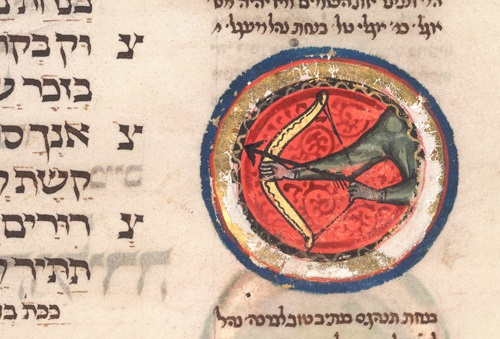
strǣl-bora, m.n: an archer. (STRAEL-BOR-ah / ˈstɹæːl-ˌbɔ-ɹa)
þrowend, m.n: scorpion; martyr; Thrond (member of a people in northern Norway). (THRO-wend / ˈθrɔ-wɛnd)
This week’s Wordhord Wednesday post is on the double meaning of þrowend. Read it on Patreon.

heolor-bledu, f.n: the scale of a balance. (HEH-ol-or-BLEH-duh / ˈhɛɔ-lɔr-ˌblɛ-dʌ)

mægþ, f.n: a maid, virgin, girl, maiden, woman (almost confined to poetry). (MAITH / ˈmæjθ)
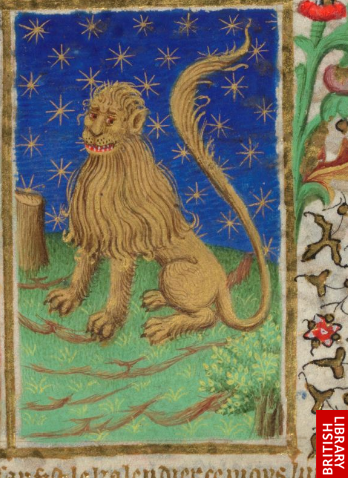
lēo, m.n: a lion, lioness. (LAY-oh / ˈleːɔ)
seonu-wealt, adj: round, circular, cylindrical; round, spherical, globular; domed. (SEH-on-uh-WEH-alt / ˈsɛɔ-nʌ-ˌwɛalt)
wǣðe-burne, f.n: a fishing stream. (WAE-thuh-BUR-nuh / ˈwæː-θə-ˌbʌr-nə)

