niht-ēage, adj: able to see at night (lit. ‘night-eye’). (NI’HT-AY-ah-yuh / ˈnɪxt-ˌeːa-jə)

niht-ēage, adj: able to see at night (lit. ‘night-eye’). (NI’HT-AY-ah-yuh / ˈnɪxt-ˌeːa-jə)
wīdian, wk.v: to widen, grow wide. (WEE-di-ahn / ˈwiː-dɪ-an)
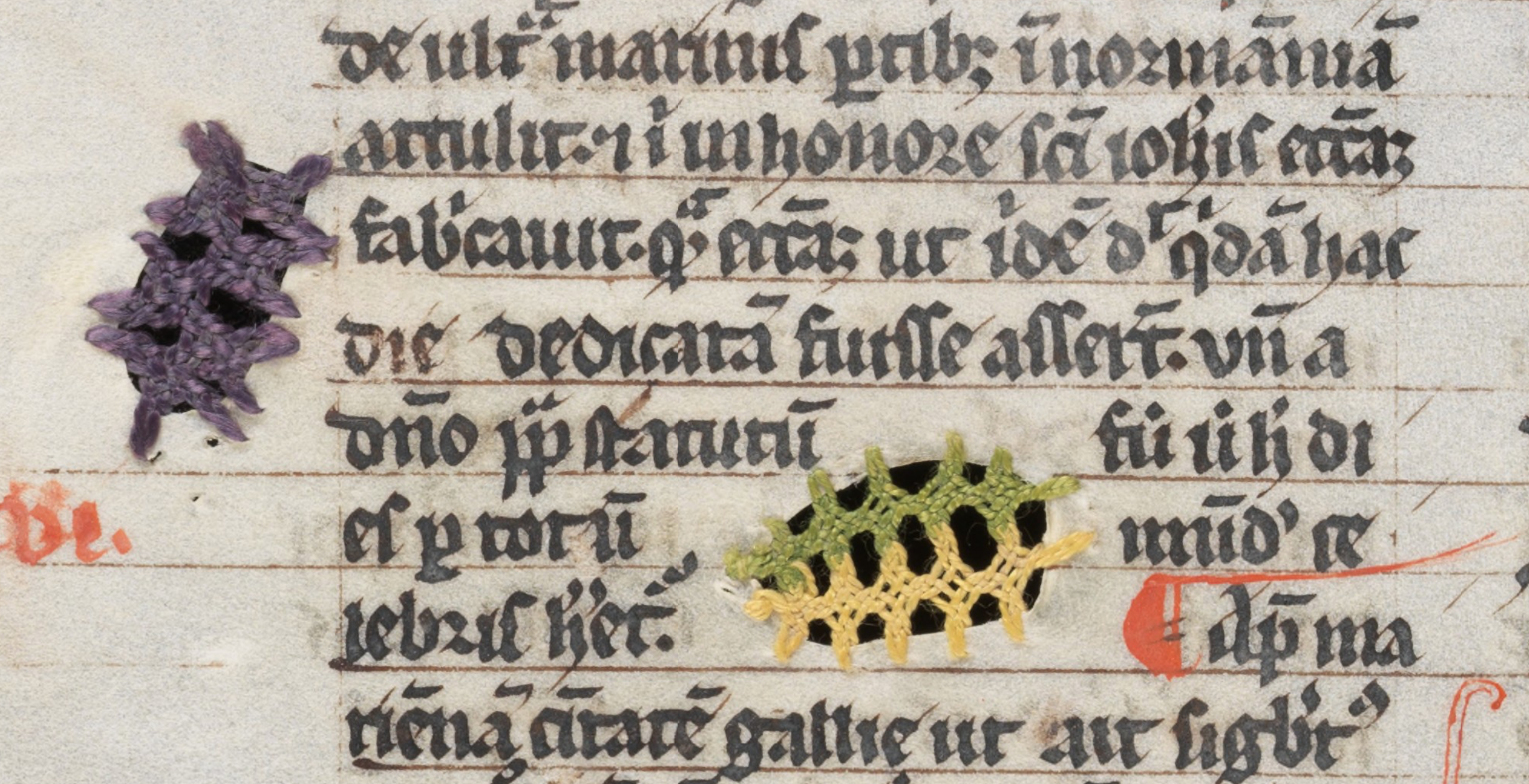
masc, n.n: a mesh, net. (MAWSH / ˈmaʃ)
sæppe, f.n: the spruce fir. (SAP-puh / ˈsæp-pə)
twelf, n/numeral/adj: twelve (12). (TWELF / ˈtwɛlf)

Ic ēow þancie, everyone who shared their favourite Old English word(s) for Old English Wordhord’s 12th birthday. May your hoards of words grow ever more wondrous. For my personal favourites, see the “hord highlights” category on this blog or on the Old English Wordhord App.

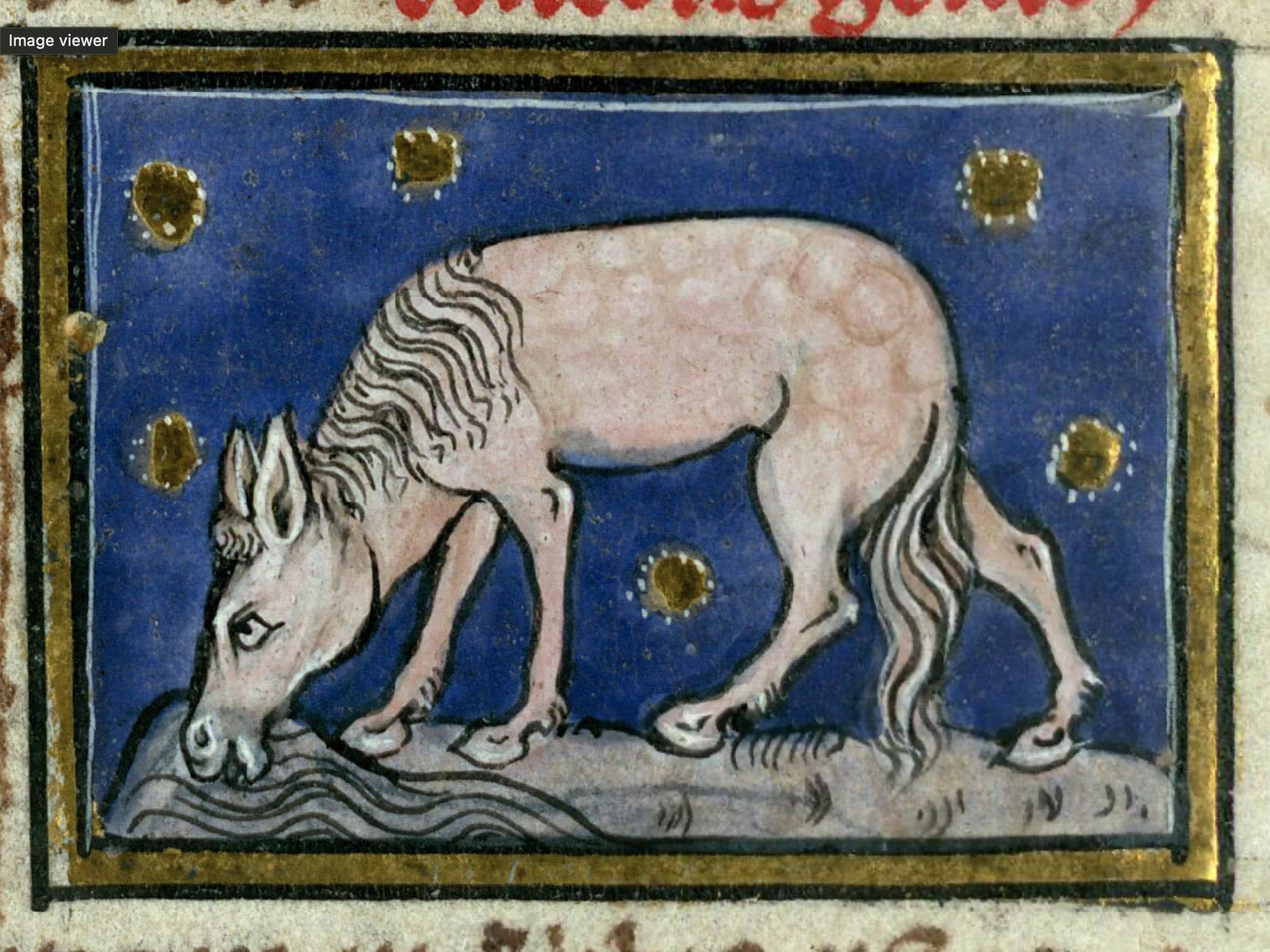
manu, f.n: mane. (MA-nuh / ˈma-nʌ)
here-strǣt, f.n: battle-street, military road. (HEH-ruh-STRAT / ˈhɛ-rə-ˌstræːt)
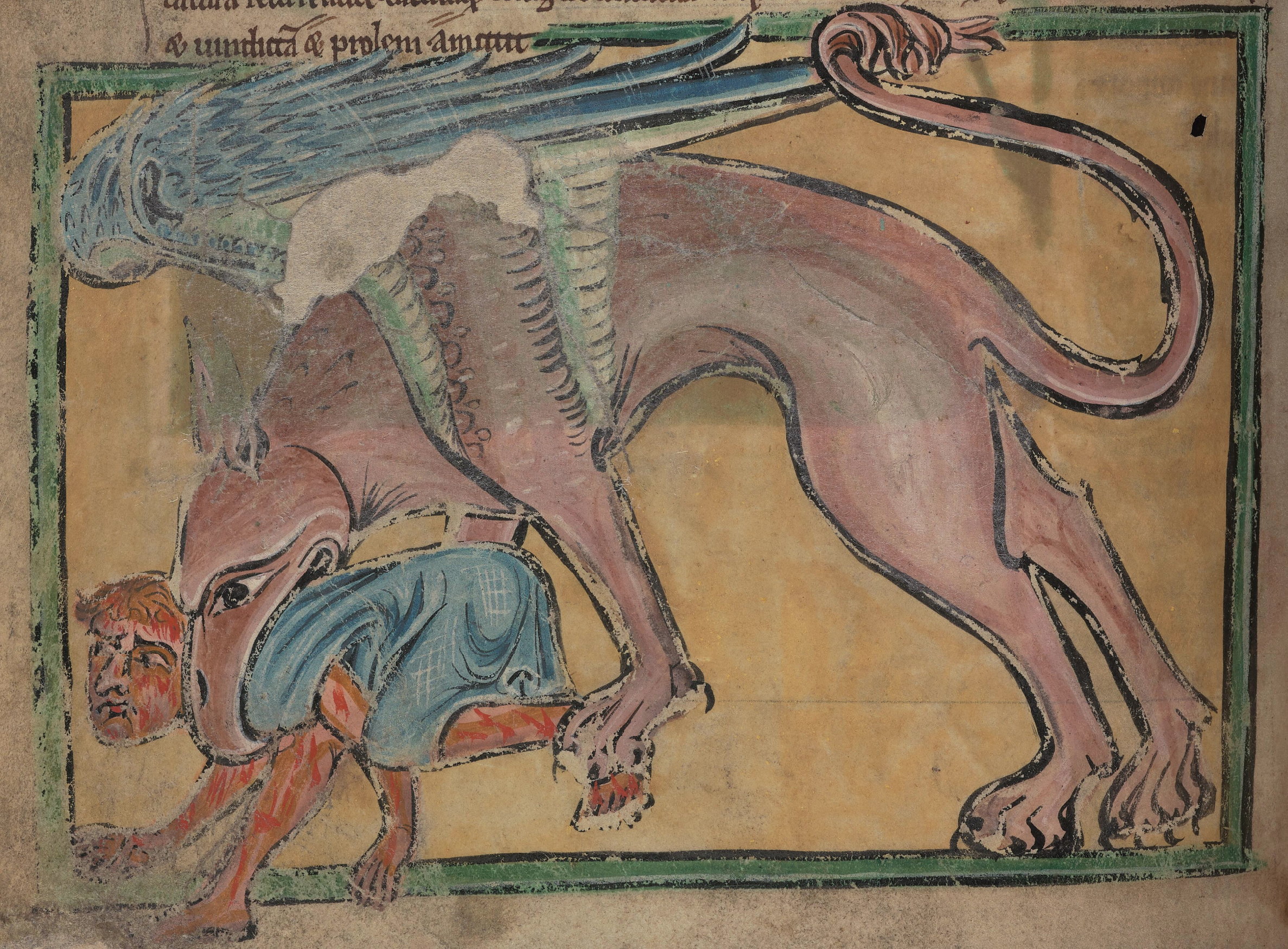
atel, adj: dire, terrible. (AH-tell / ˈa-tɛl)
hālig-portic, n.n: a sanctuary. (HA-lih-POR-tick / ˈhaː-lɪj-ˌpɔr-tɪk)
sund-hwæt, adj: water-quick, active in swimming. (SUND-H’WAT / ˈsʌnd-ˌhwæt)

 Old English Wordhord