wordhord, n.n: a word-hoard, a store of words. (WORD-HORD / ˈwɔrd-ˌhɔrd)
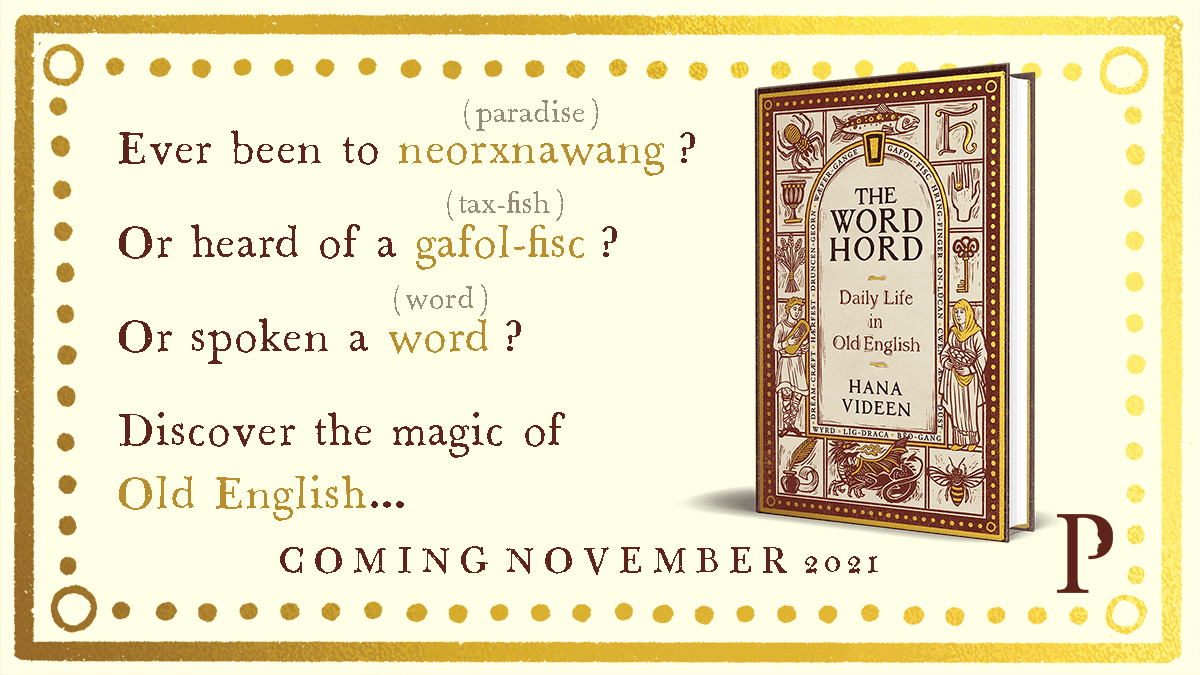
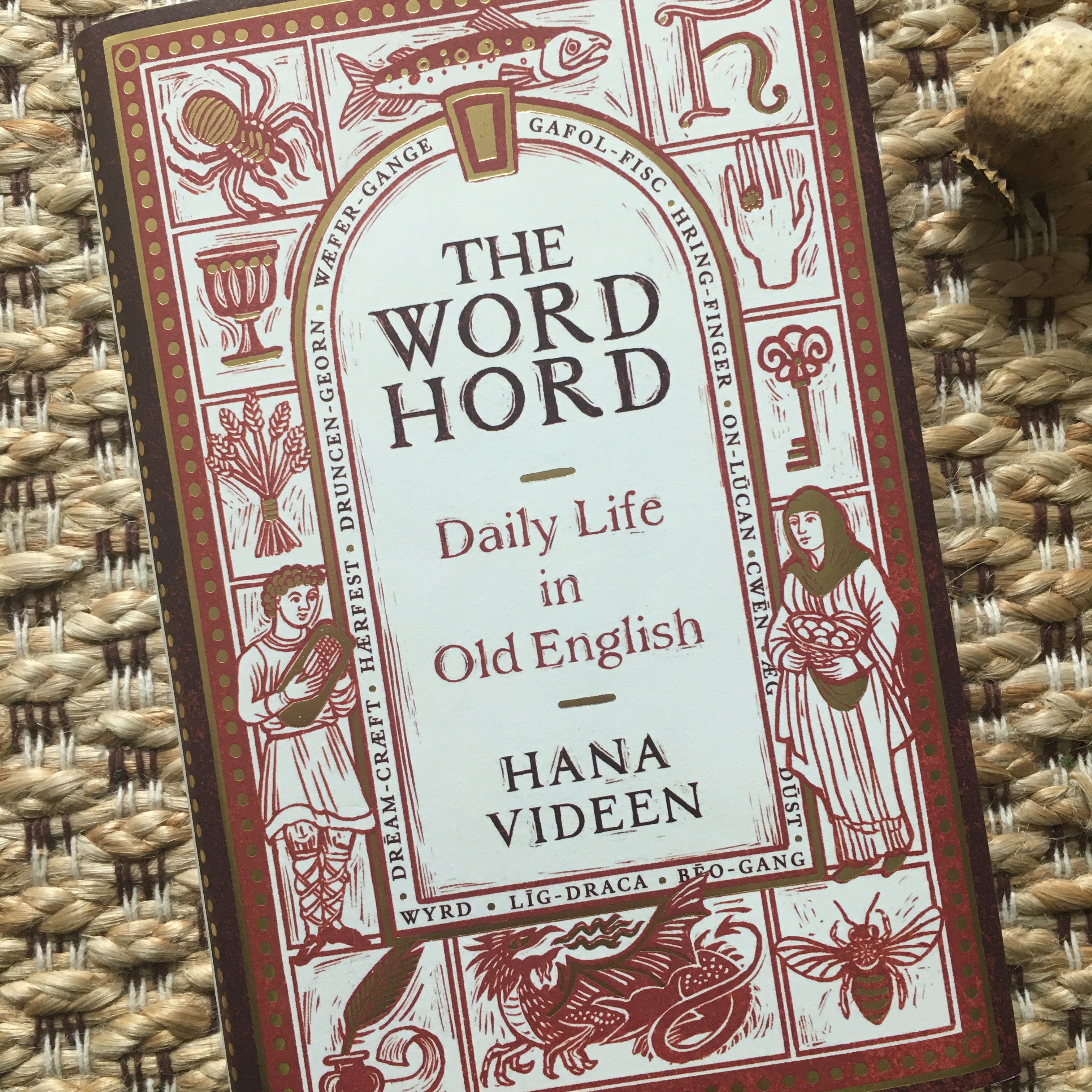
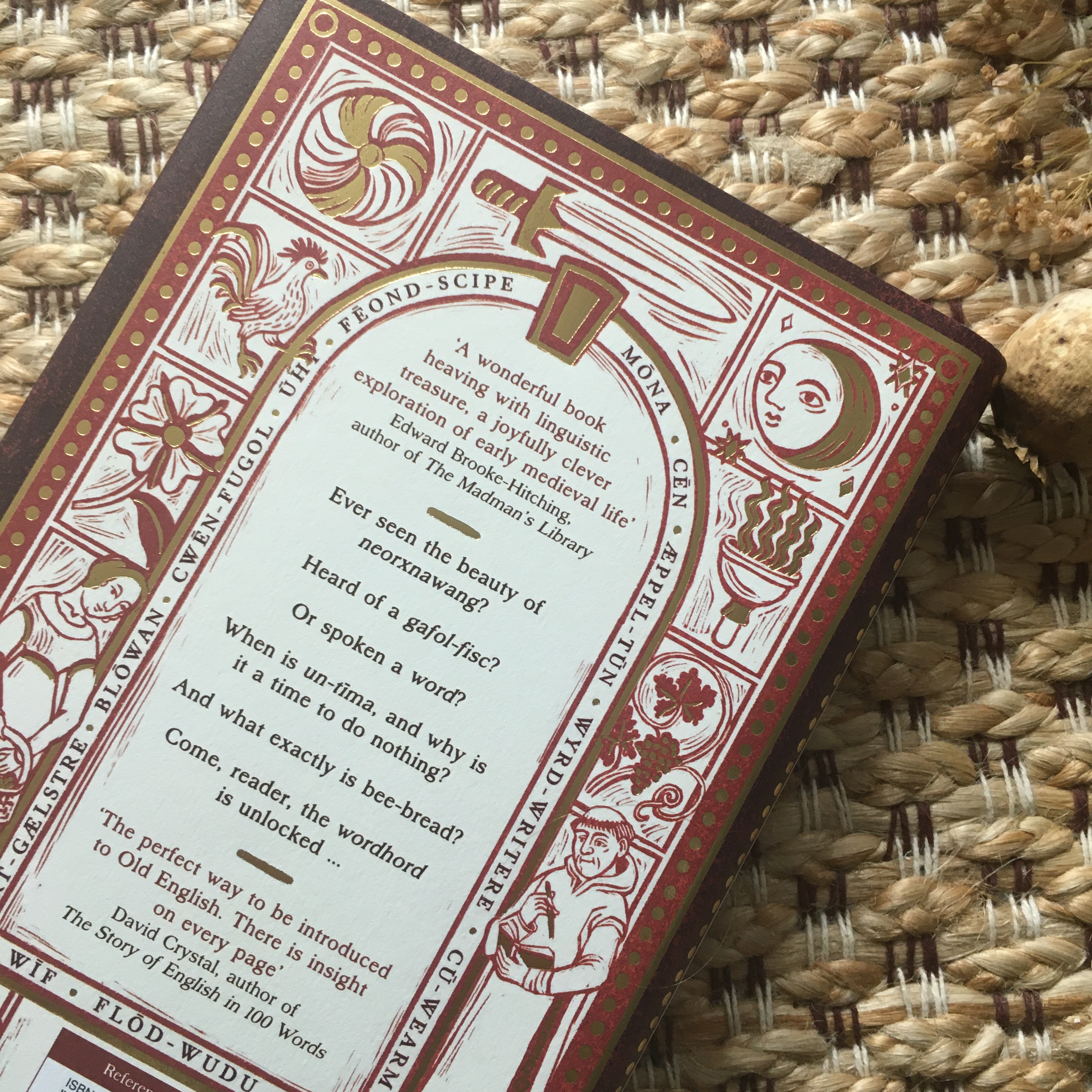
Today is a word-of-the-day redux from 2,731 days (and words) ago. I try not to repeat words, but I’m making an exception today because of a special announcement: my book The Wordhord will be published exactly six months from today!
Find out more and where to buy at oldenglishwordhord.com/book.
The Wordhord: Daily Life in Old English will be published in the UK by Profile Books on 11 November 2021, and in North America by Princeton University Press on 12 April 2022!
 Old English Wordhord
Hello Dr. Videen,
I recently read through your book of the same name: it was wonderful! I was fascinated in each area you explored in the book, and became increasingly interested in reading Beowulf (a reading forgone in primary school). Is there a translation you would recommend? Or, perhaps, is there a translation which lists the original Old English alongside Modern English (much like ‘No Fear Shakespeare’?)
Separately, I was befuddled by p. 247 in your book ‘Word Hord’ – after checking the listed Psalm (#22) I realized that perhaps there was a typo – should this be Psalm 23?
Thank you again for such a wonderful book, and I look forward to reading your new book when next I visit a bookstore!
LikeLiked by 1 person
Eala, Henri! Thank you for your message, and I’m glad you enjoyed The Wordhord.
As for facing-page Beowulf translations, there’s Seamus Heaney’s (a gorgeous translation, leaning more towards artistry than accuracy) and Howell Chickering’s. I don’t actually have a favourite translation — I gravitate towards different ones for different reasons. I talk a bit about some unique Beowulf translations at the end of this article: https://www.medievalists.net/2022/07/what-is-hwaet/.
The Psalm numbering is not a typo. The numbering corresponds with that of the Latin Vulgate Bible (with its Douay-Rheims translation), which is the version of the Bible that would have been known to people living in early medieval England.
LikeLiked by 1 person
Wes hal, Dr. Videen!
Thank you for your reply. After going through your article and narrowing the field (and as much as it pains me to reject a translation with ‘What ho!’ in the opening lines), I’ll go with Heaney’s translation, and be sure to get the bilingual version. Hopefully this will prove useful to a beginner word-samnere.
Thank you for your correction! I’ve been too (modernly) anglicized to know any of the Latin Vulgate Bible; it appears that language was not the only thing that King James changed.
LikeLike
Wes Hal, Dr. Videen!
Thank you for the response. After reading through your article and narrowing down the field, (and as much as it pains me to reject a translation with the opening ‘What ho!’) I will go with the Heaney’s translation. The bilingual edition will serve a beginner word-samnere well.
Thank you for your correction! I’m too (modernly) anglicized to know the Latin Vulgate Bible, and I realize now that King James changed more than just the language.
LikeLiked by 1 person
Happy word-hoarding!
LikeLike