wiþ-sacan, str.v: to say no to a request, to refuse permission; to refuse, reject, decline. (with-SA-kahn / wɪθ-ˈsa-can)
sparian
sparian, wk.v: to spare, to show mercy to, to refrain from injuring or destroying. (SPA-ri-ahn / ˈspa-rɪ-an)
sīþ
sīþ, m/n.n: journey, voyage. (SEETH / ˈsiːθ)
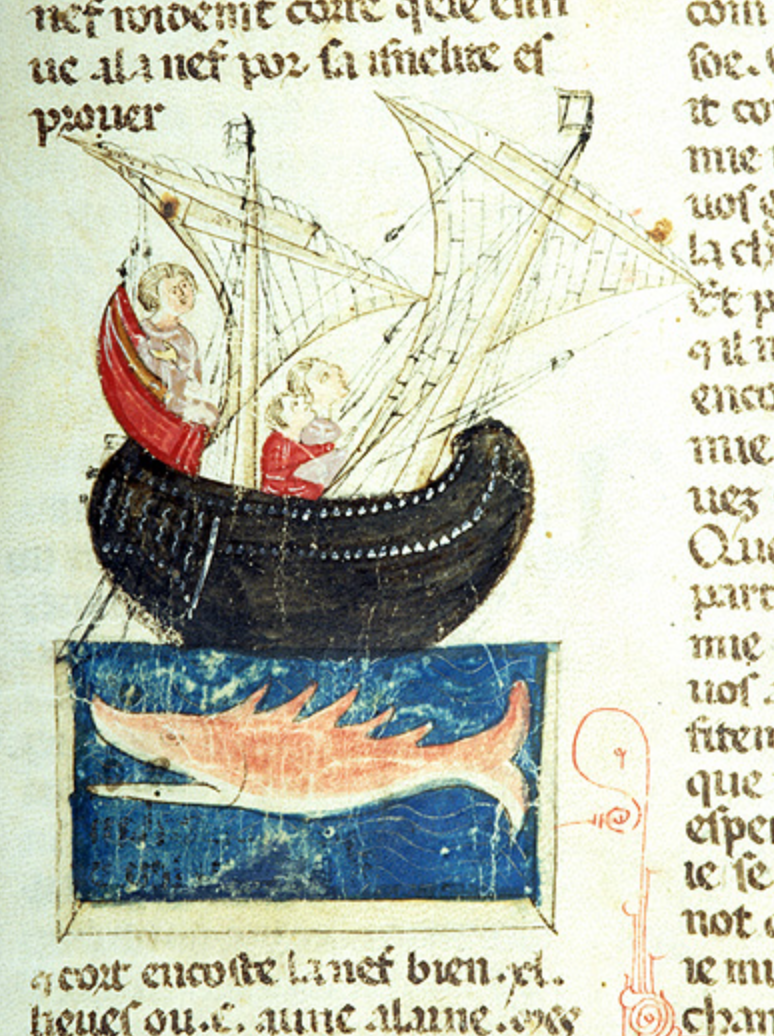
hlīsa
hlīsa, m.n: fame, reputation. (H’LEE-za / ˈhliː-za)
wordlian
wordlian, wk.v: to talk, discourse. (WORD-li-ahn / ˈwɔrd-lɪ-an)
swān-gerēfa
swān-gerēfa, m.n: an officer whose manages forests for the pasturing of swine and the use of wood. (SWAHN-yeh-RAY-vah / ˈswaːn-jɛ-ˌreː-va)
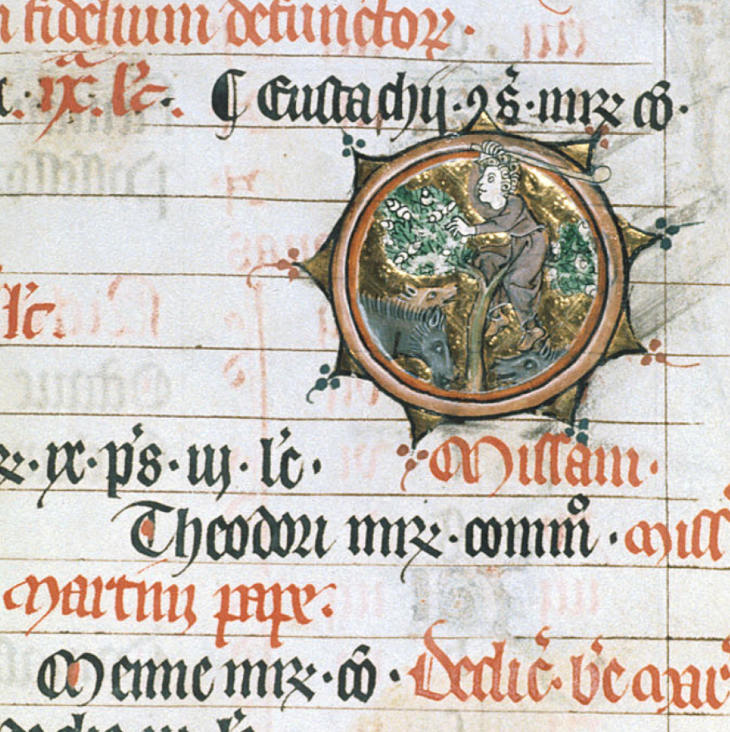
soppe
soppe, n: a sop (a piece of bread dipped or steeped in water, wine, etc., before being eaten or cooked). (SOP-puh / ˈsɔp-pə)
Weogorna-ceaster
Weogorna-ceaster, n: Worcester. (WEH-aw-gor-na-CHEH-ah-ster / ˈwɛɔ-gɔr-na-ˌtʃɛa-stɛr)
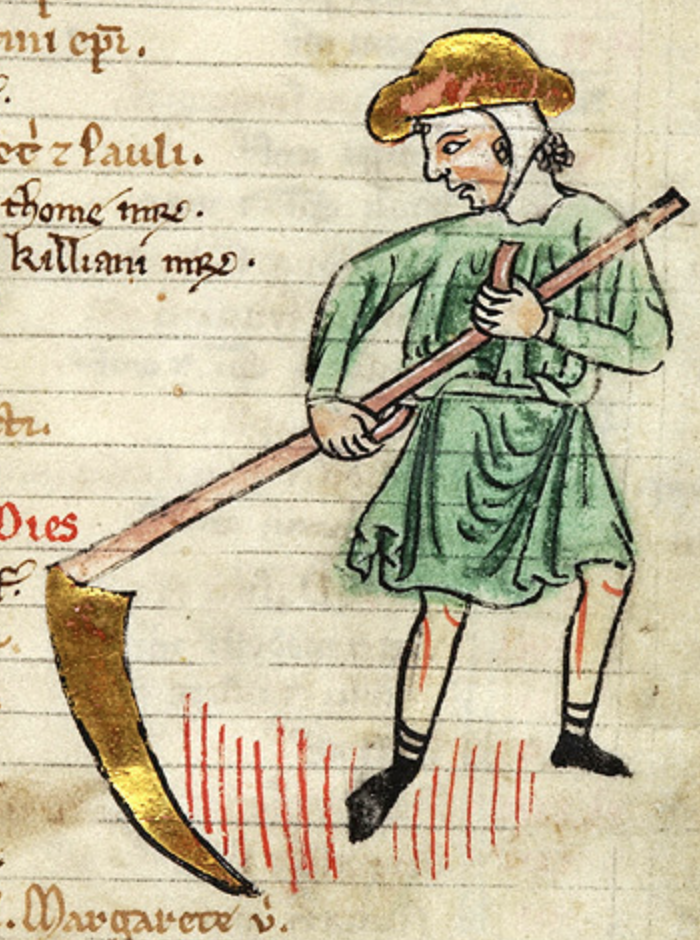
hīg-sīþe
hīg-sīþe, m.n: a hay-scythe. (HEE-SEE-thuh / ˈhiː-ˌsiː-θə)
gemet-fæst
gemet-fæst, adj: moderate, modest. (yeh-MET-fast / jɛ-ˈmɛt-fæst)
Read my Mōnaþ-spell (monthly update) on Patreon.
 Old English Wordhord