winter-dæg, m.n: a winter day. (WIN-ter-DAIE / ˈwɪn-tɛɹ–ˌdæj)
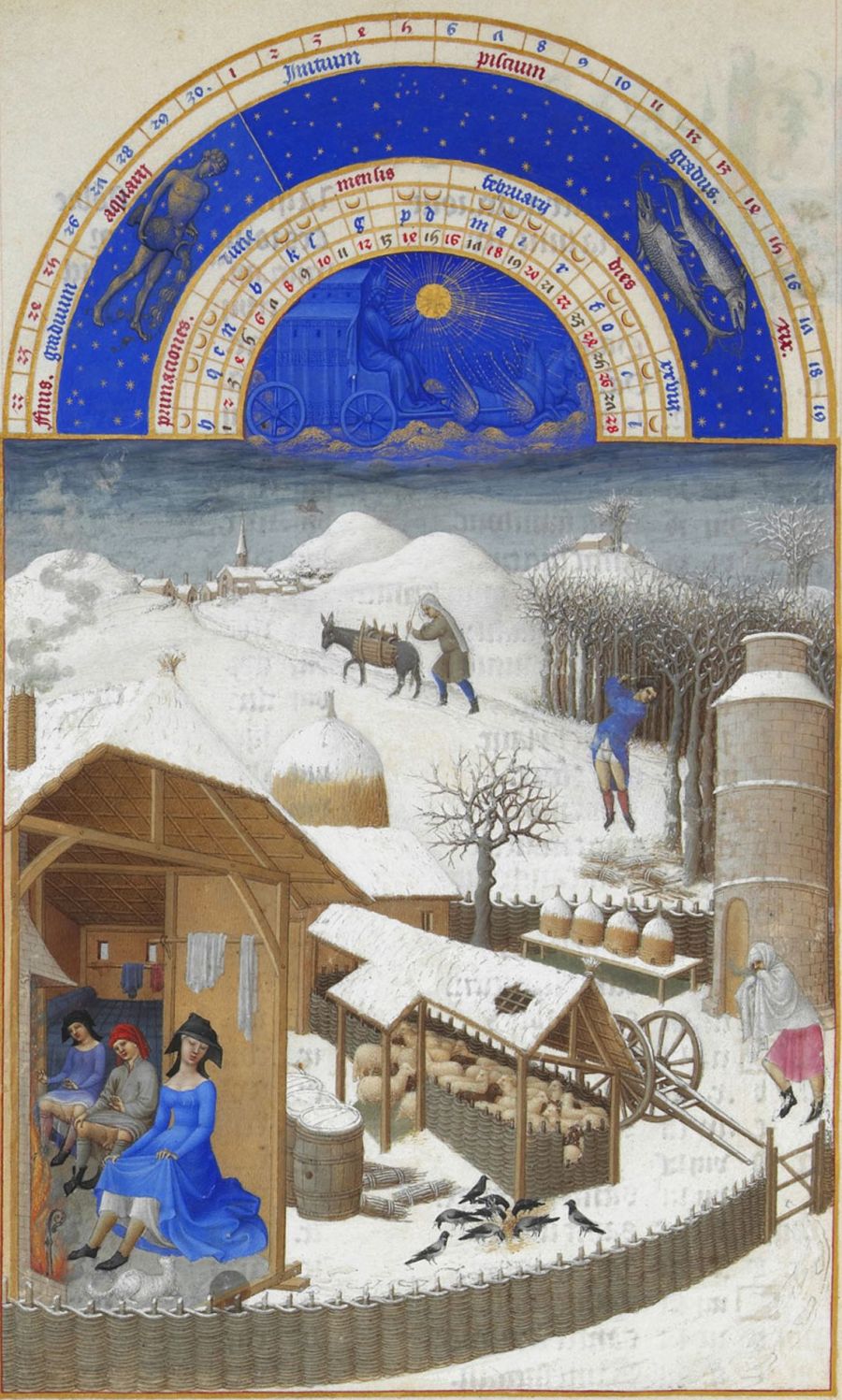
Image: Limbourg brothers, “Très Riches Heures du duc de Berry, Folio 2, verso February,” between 1412 and 1416. Musée Condé (Wikimedia).
winter-dæg, m.n: a winter day. (WIN-ter-DAIE / ˈwɪn-tɛɹ–ˌdæj)
Image: Limbourg brothers, “Très Riches Heures du duc de Berry, Folio 2, verso February,” between 1412 and 1416. Musée Condé (Wikimedia).
mōd-sefa, m.n: mind, spirit, soul, heart. (MOAD-SEH-va / ˈmoːd-ˌsɛ-va)
rȳan, wk.v: to roar, rage. (RUH-yahn / ˈɹɝː-jan)
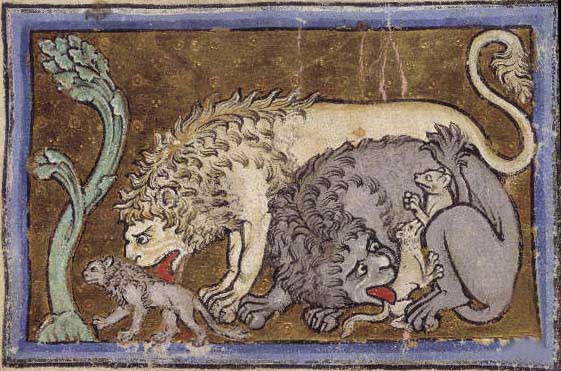
word-hlēoþor, m.n: the sound of speaking, voice. (WORD-HLAY-oh-thor / ˈwɔɹd-ˌhleːɔ-θɔɹ)
hwyrft, m.n: turn, revolution, going, course, orbit, circuit, orb, circle. (H’WURFT / ˈhwɝɹft)
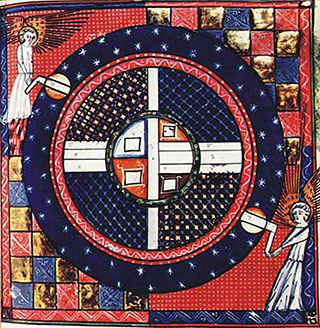
an-mōd, adj: steadfast, eager, bold, courageous, daring, fierce. (AHN-MOAD / ˈan-ˌmoːd)
morgen-steorra, m.n: morning star (epithet for Satan or the Devil). (MOR-gen-STEH-or-ra / ˈmɔr–gɛn-ˌstɛɔr-ra)

gleng, f.n: adornment, ornamentation, glory; splendour, pomp; showiness; worldly or earthly splendour. (GLENG / ˈglɛŋ)
ryne-wægn, m.n: a swift vehicle, a chariot. (RUH-nuh-WAIN / ˈɹɝ-nə-ˌwæjn)

ā-styrian, wk.v: to move (a thing from its place); to stir up; to cause strife or passion. (ah-STUH-rih-ahn / aː-ˈstɝ-ɹɪ-an)

