dōm-hwæt, adj: eager for glory; also interpreted as “strenuous in judgement”. [DOM-HWÆT]
This week’s Wordhord Wednesday post is on “head-guilt”. Read it on Patreon.
dōm-hwæt, adj: eager for glory; also interpreted as “strenuous in judgement”. [DOM-HWÆT]
This week’s Wordhord Wednesday post is on “head-guilt”. Read it on Patreon.
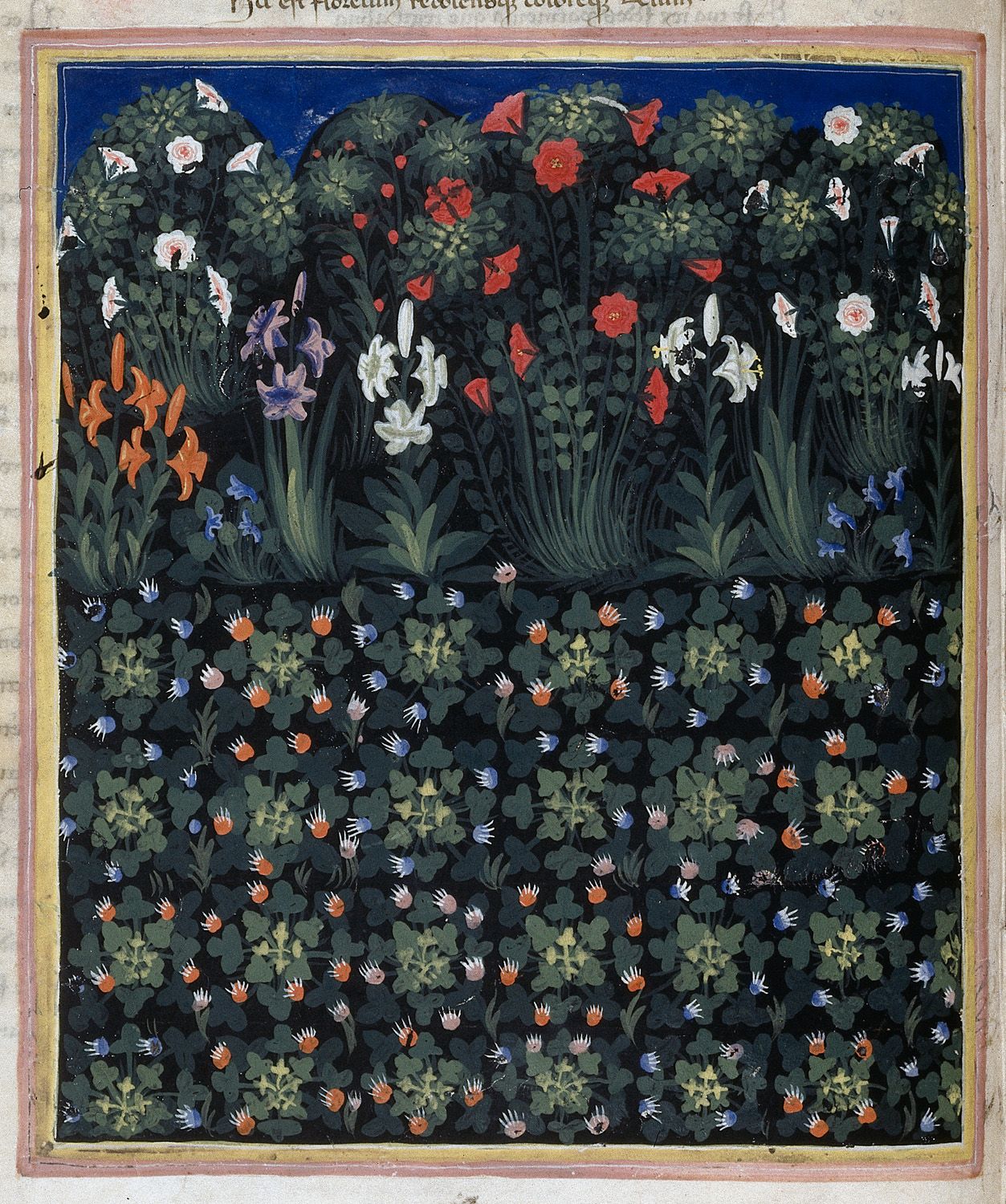
wyrt-tūn, m.n: garden. (WUERT-TOON / ˈwyrt-ˌtuːn)
hēafod-gylt, f.n: a capital crime, a deadly sin. [HAY-ah-vod-YULT]
crīstel-mǣl, n.n: a cross; the sign of the cross. [KREE-stell-MÆL]
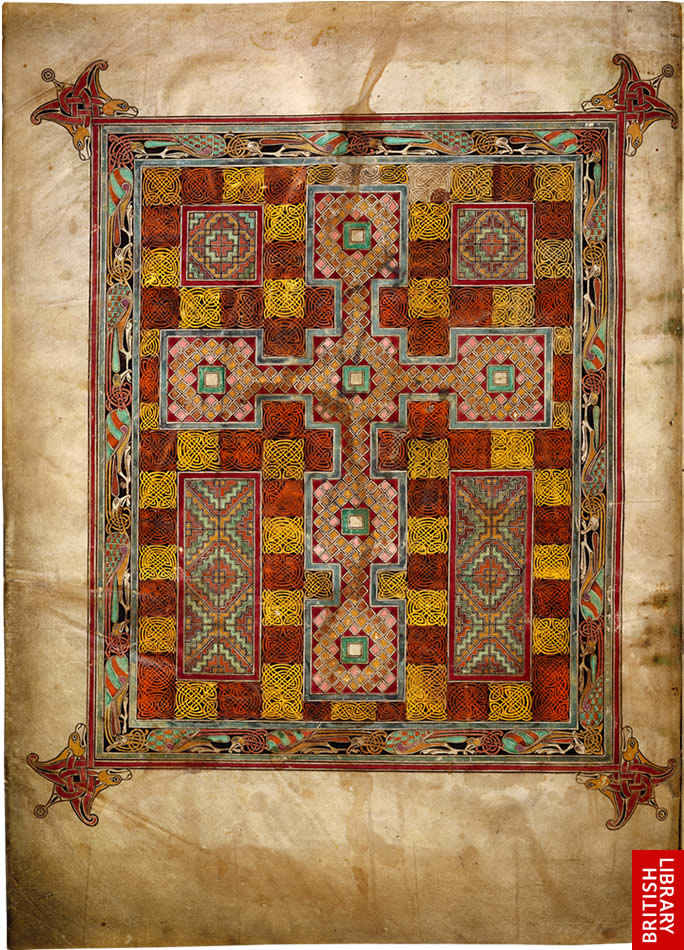
A carpet page from the Lindisfarne Gospels. England (Northumberland), c. 710-715. British Library, Cotton MS. Nero D.IV, fol. 2v. [bl.uk]
hwem, m.n: a corner, angle. [HWEM]
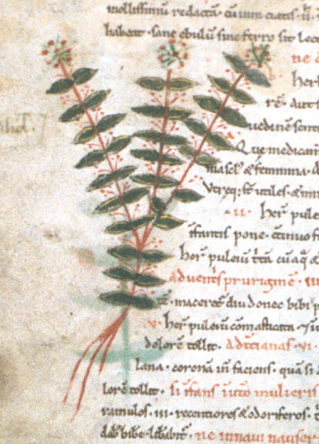
dweorge-dwosle, f.n: the herb pennyroyal (of the mint family). (DWEH-or-yuh-DWOSS-luh / ˈdwɛɔr-jə-ˌdwɔs-lə)
of-hæccan, wk.v: to hack off. [ov-HACK-kan]
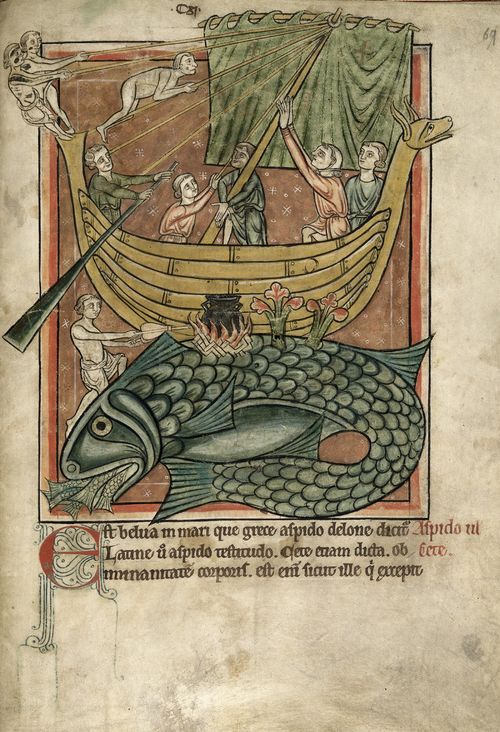
ȳþ-mearh, m.n: ship (wave-steed). (UETH-MEH-ar’h / ˈyːθ-ˌmɛarx)
This week’s Wordhord Wednesday post is on these “wave-horses”. See it on Patreon.
glitenung, f.n: a flash, gleam. [GLI-teh-nung]
tūn, m.n: an enclosed piece of ground, a yard, court; a habitation of humans; an estate, farm; a collection of dwellings, a village, town. [TOON]
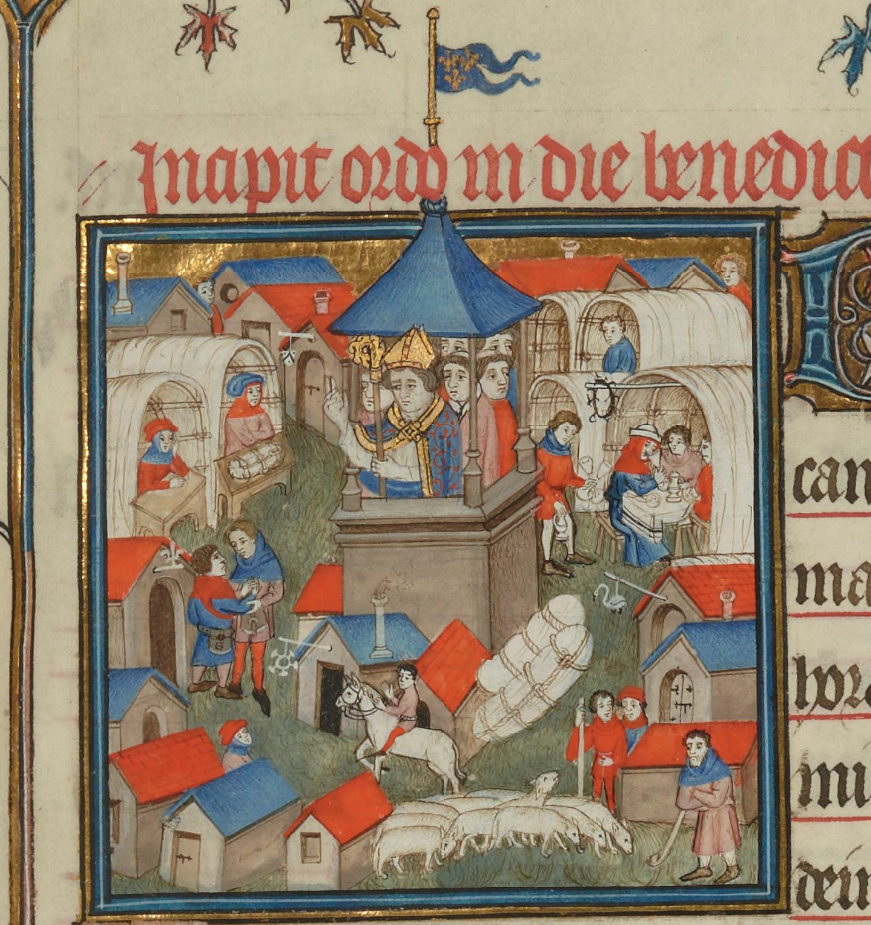
A bishop blesses the opening of an annual fleece fair. Pontificale Senonense (14th century). Bibliothèque nationale de France, Latin 962, fol. 264r. [gallica.bnf.fr]
 Old English Wordhord