be-pǣcan, wk.v: to deceive, entice, seduce, draw away. (beh-PATCH-ahn / bɛ-ˈpæː-tʃan)
mislīce
mislīce, adv: variously, diversely. (MIZ-lee-chuh / ˈmɪz-liː-tʃə)
hālig-rift
hālig-rift, f.n: a holy garment, veil. (HA-lih-RIFT / ˈhaː-lɪj-ˌrɪft)
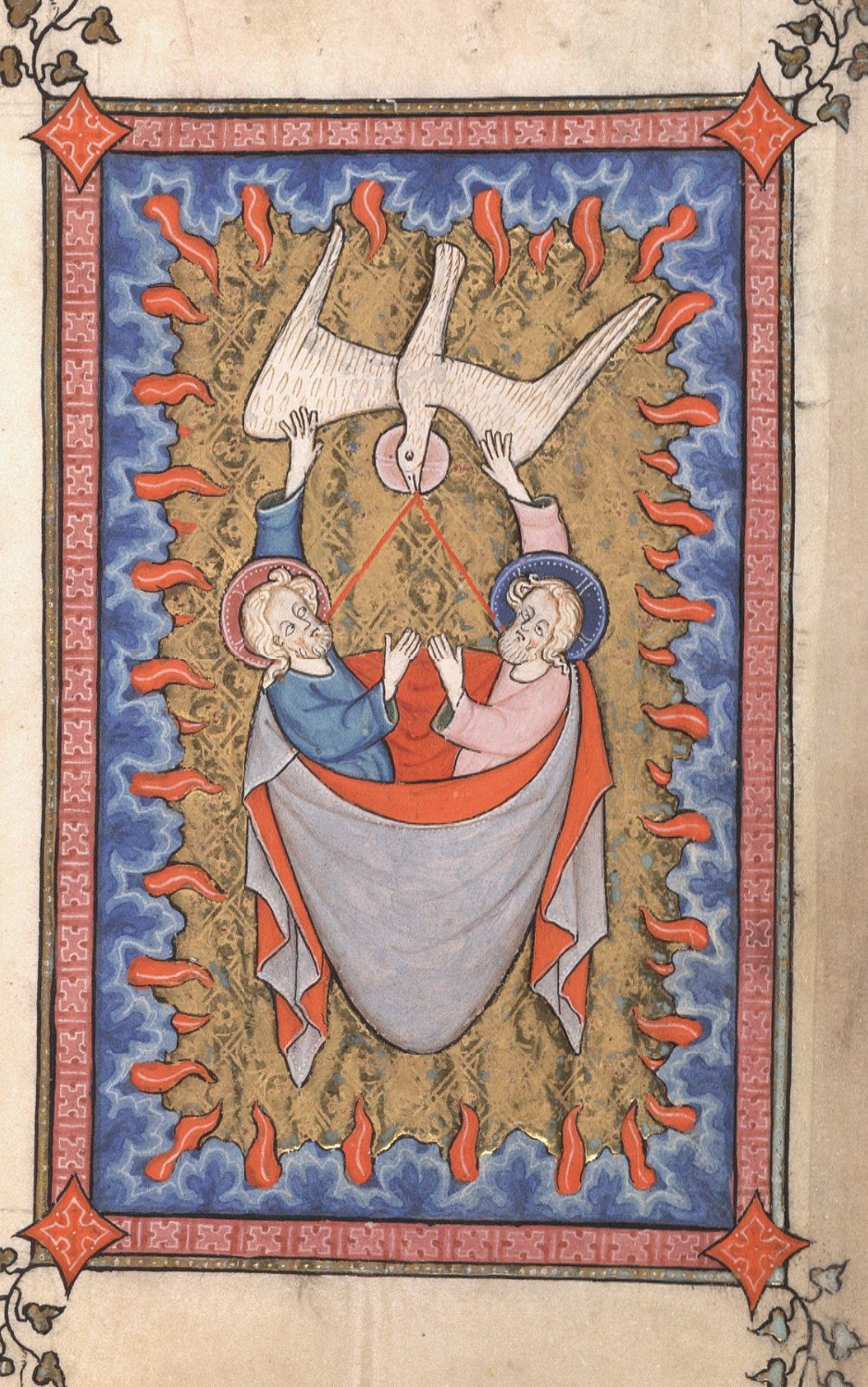
þæc
þæc, n.n: roof; the material of which a roof is composed, thatch. (THATCH / ˈθætʃ)
on-bæcling
on-bæcling, adv: back, backward, behind. (ON-back-ling / ˈɔn-bæk-lɪŋ)
hengen-wītnung
hengen-wītnung, f.n: the punishment of imprisonment. (HENG-gehn-WEET-nung / ˈhɛŋ-gɛn-ˌwiːt-nʌŋ)
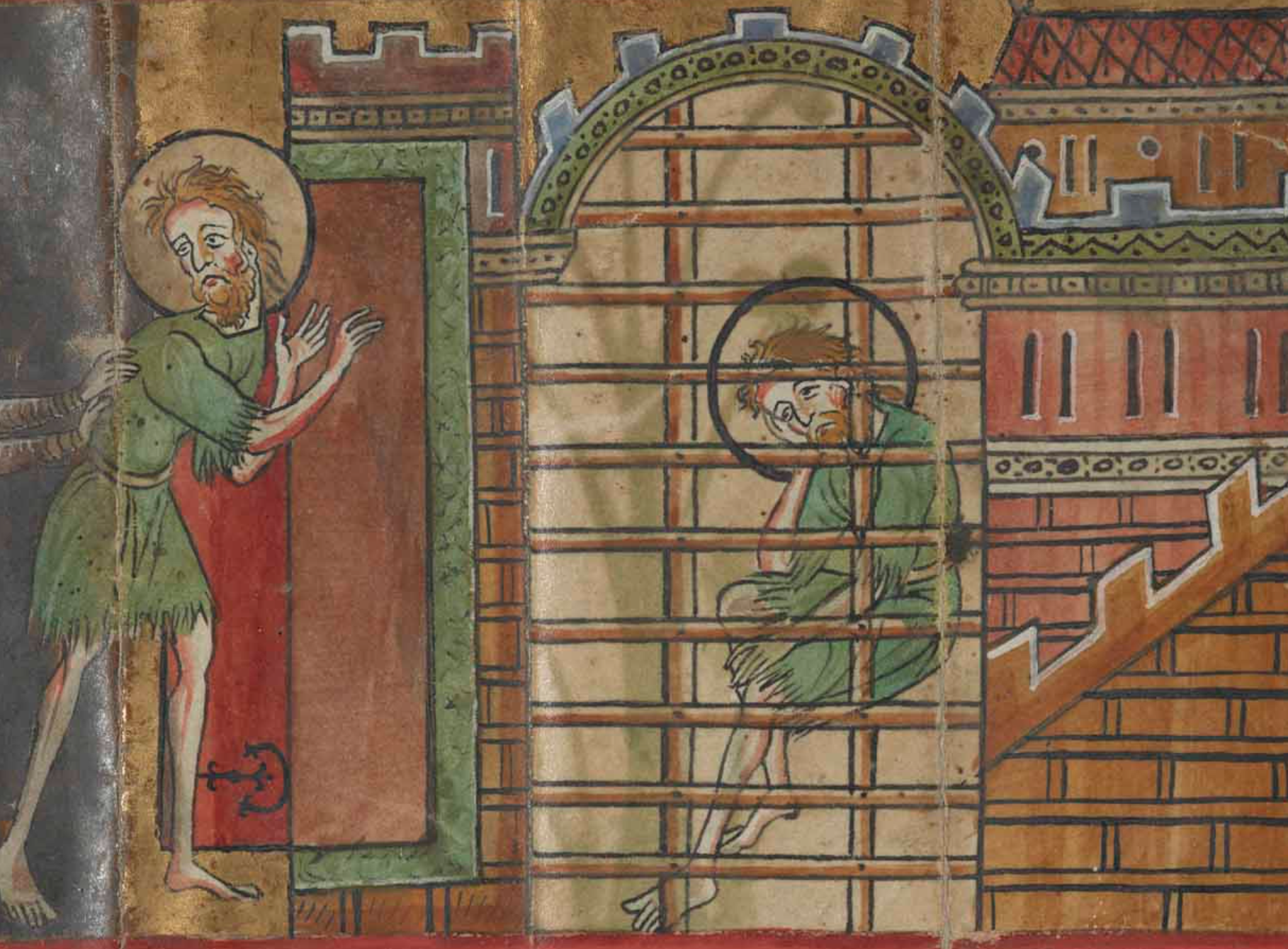
tō-hlīdan
tō-hlīdan, wk.v: to yawn, gape, open, crack (intrans.), split (intrans.) asunder. (toh-HLEE-dahn / toː-ˈhliː-dan)
lām-sēaþ
lām-sēaþ, m.n: clay-pit. (LAHM-SAY-ath / ˈlaːm-ˌseːaθ)
slincan
slincan, str.v: to crawl; to slink away. (SLINK-ahn / ˈslɪn-kan)
Read my Mōnaþ-spell (monthly update) on Patreon.
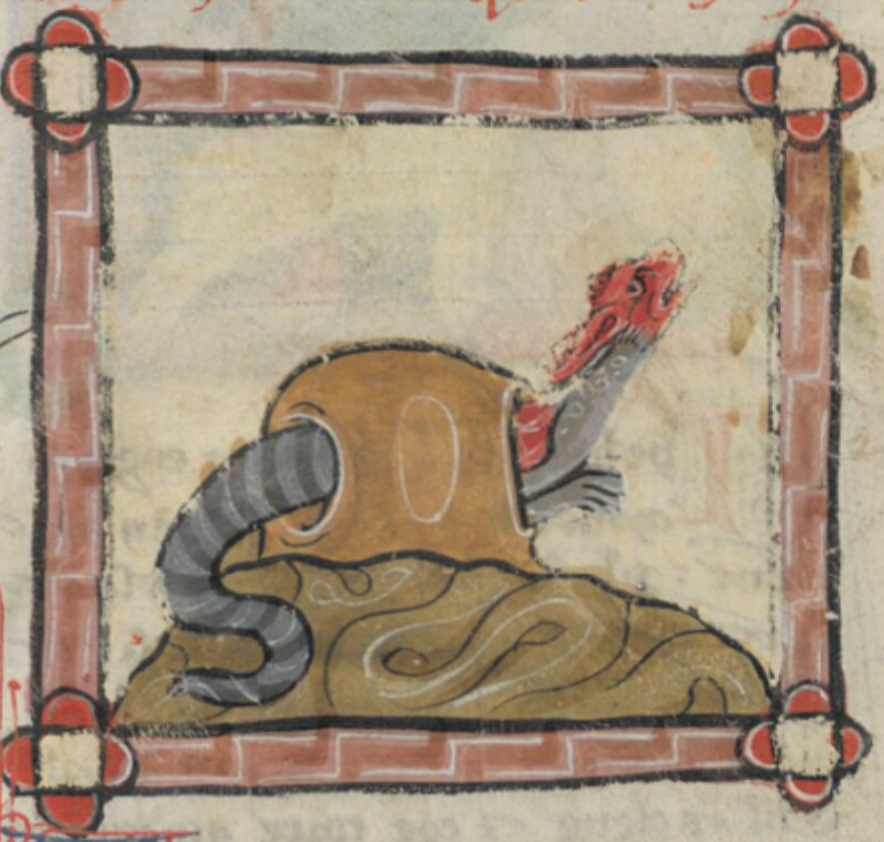
sige-brōðor
sige-brōðor, m.n: a victorious brother. (SIH-yuh-BRO-thor / ˈsɪ-jə-ˌbroː-θɔr)

