ēage, n.n: eye. (AY-ah-yuh / ˈeːa-jə)

ēage, n.n: eye. (AY-ah-yuh / ˈeːa-jə)
leðer-wyrhta, m.n: tanner, currier, someone who works in leather. (LEH-ther-WUER-h’ta / ˈlɛ-θɛr-ˌwyrx-ta)
ān-būend, m.n: hermit (one-dweller). (AHN-BOO-end / ˈaːn-ˌbuːɛnd)
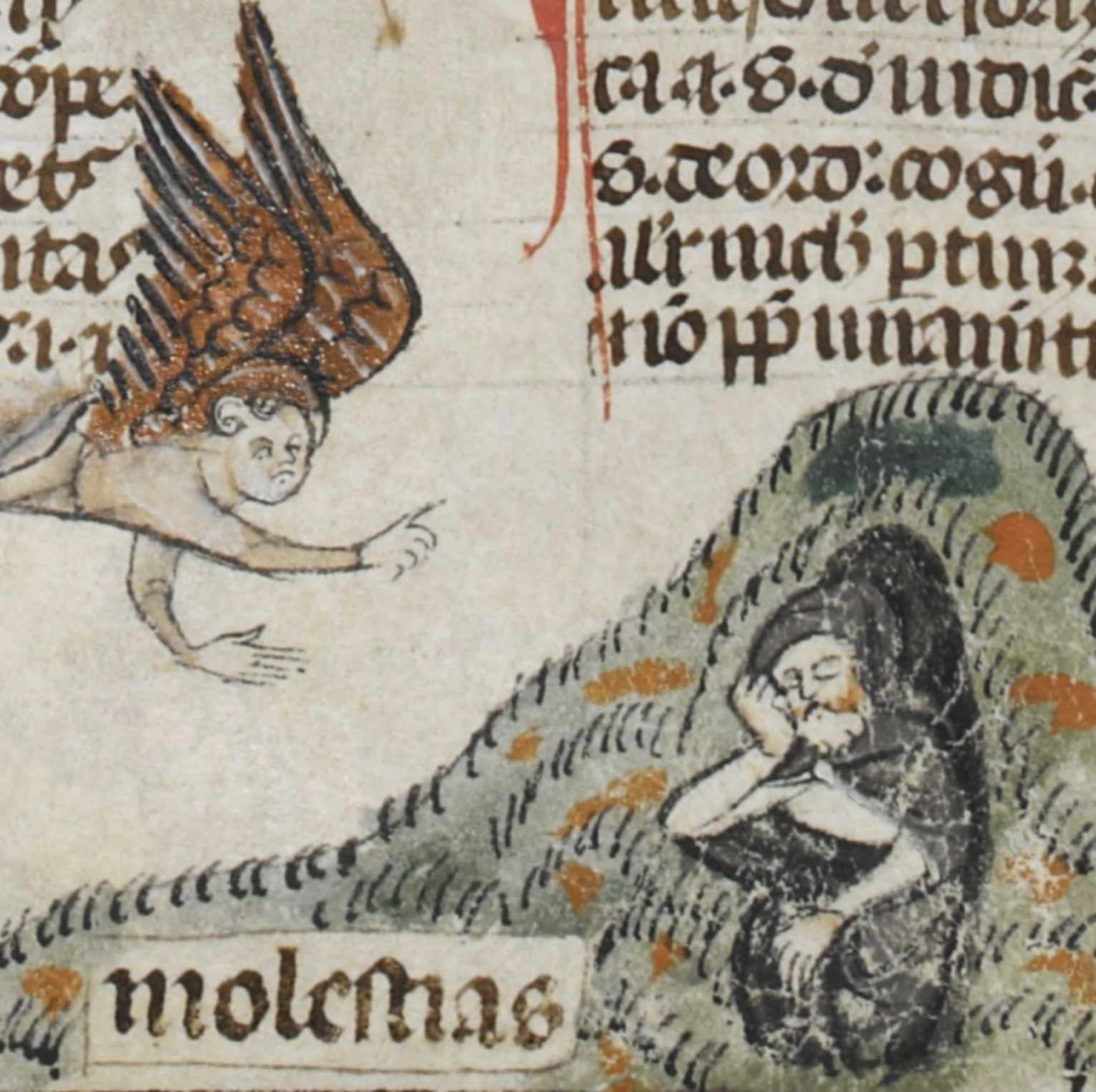
spēdig, adj: prosperous, rich, wealthy; abundant; powerful. (SPAY-dih / ˈspeː-dɪj)
hyge, m.n: heart, mind, soul. (HUE-yuh / ˈhy-jə)
gyllan, str.v: (of birds) to make a loud cry, to screech; (of wolves or dogs) to bay, howl; (of inanimate objects) to make a strident, grating, or crashing noise; to yell, utter a loud cry. (YUEL-lahn / ˈjyl-lan)
firen-georn, adj: sinful, wicked (sin-eager). (FI-ren-YEH-orn / ˈfɪ-rɛn-ˌjɛɔrn)
This week’s Wordhord Wednesday post is on counting in Old English. Read it on Patreon.
sēamestre, f.n: one who sews, tailor; (specifically) woman who sews, seamstress. (SAY-ahm-es-truh / ˈseːam-ɛs-trə)
cniht, m.n: male youth, older than a ‘cnapa’; servant. (K’NIH’T / ˈknɪxt)
cnapa, m.n: boy or youth, older than a ‘cild’ but younger than a ‘cniht’; servant. (K’NAH-pa / ˈkna-pa)

