sand-hof, n.n: grave (‘sand-house’). (SAHND-HOFF / ˈsand-ˌhɔf)
Category Archives: places
morþor-hūs
morþor-hūs, n.n: ‘murder-house’, house of torment, hell. (MOR-thor-HOOS / ˈmɔr-θɔr-ˌhuːs)
īg
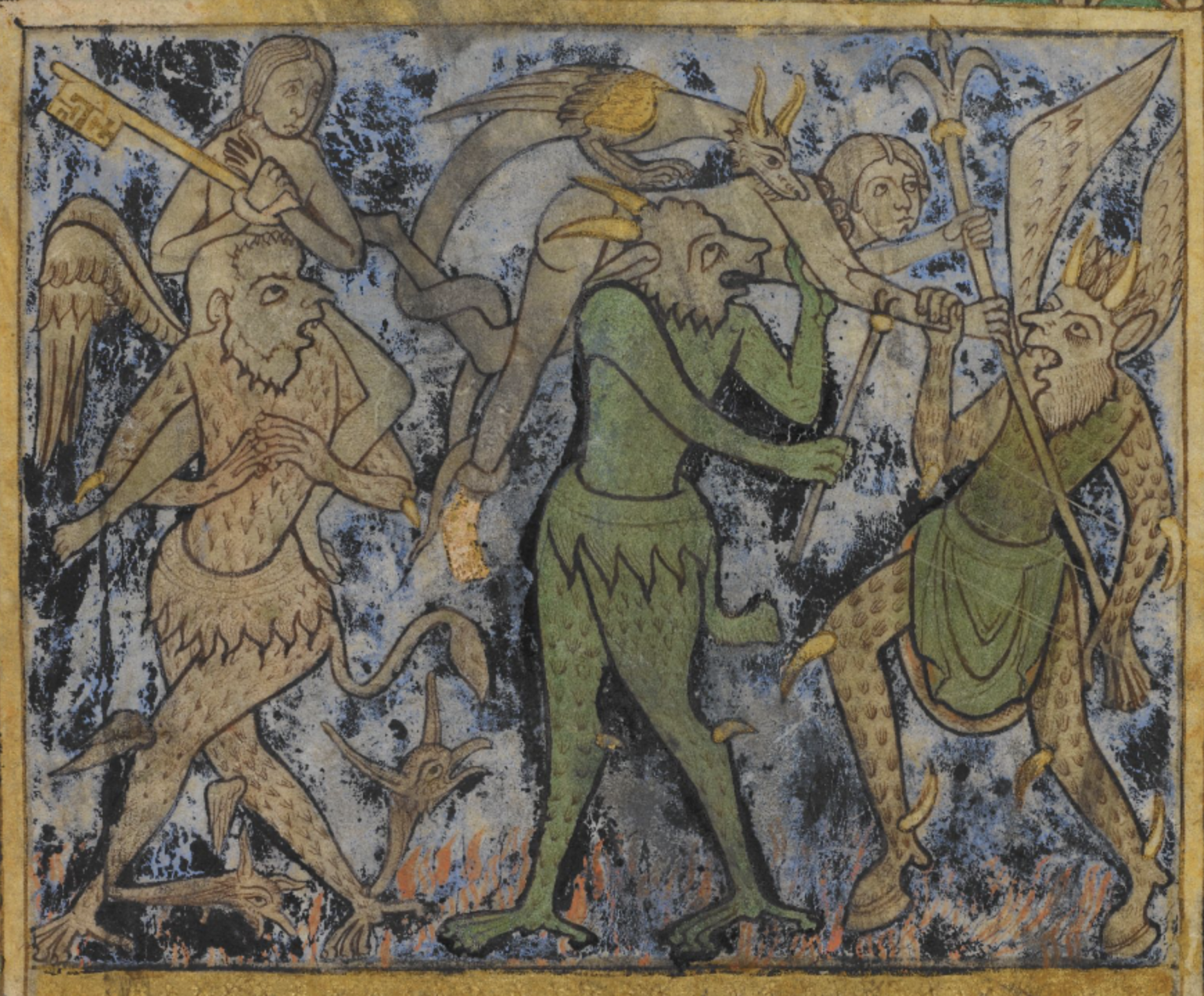
īg, f.n: island. (EE / ˈiːj)
munt-land
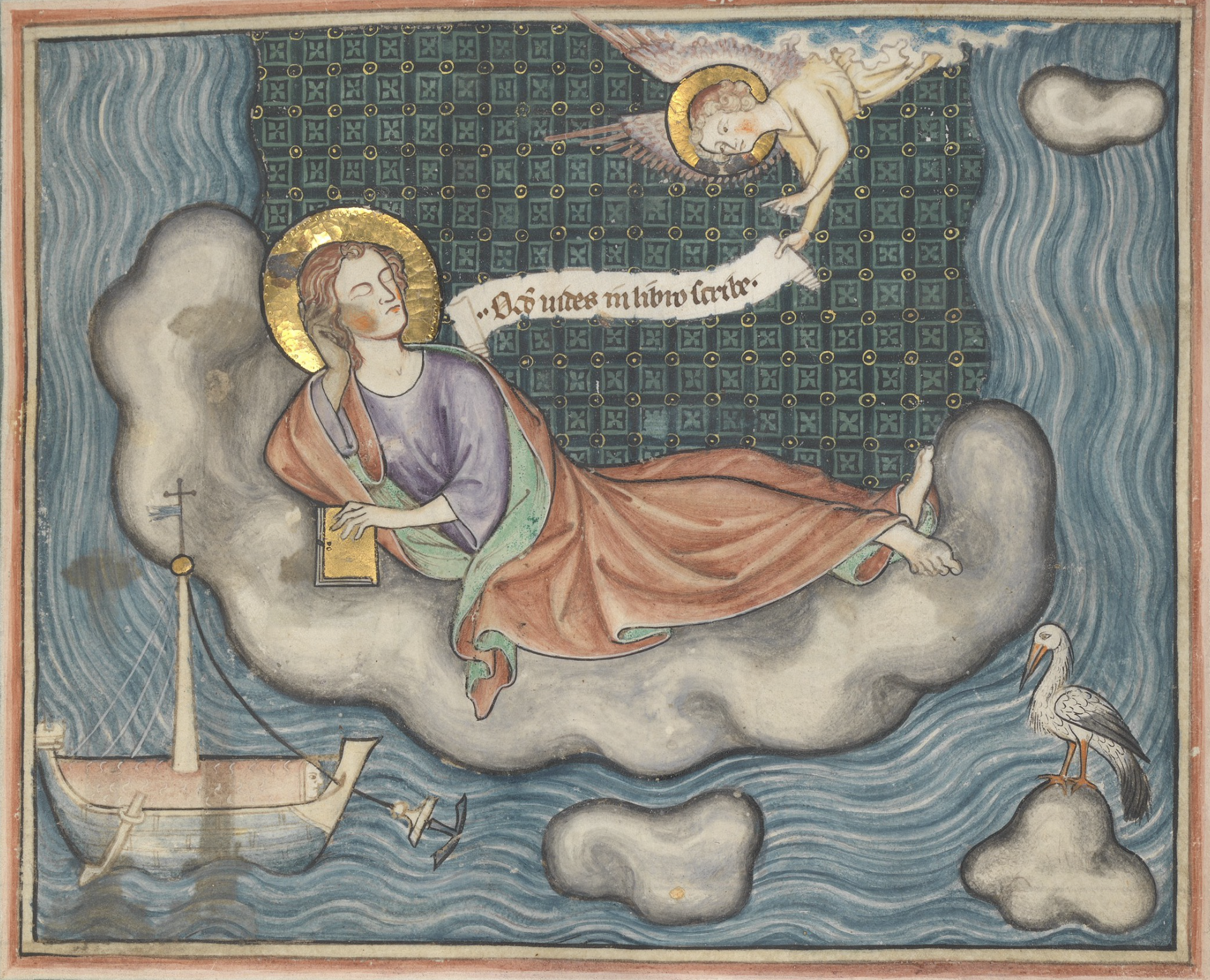
munt-land, n.n: hilly country. (MUNT-LAHND / ˈmʌnt-ˌland)
ge-byhþ
ge-byhþ, f.n: dwelling, abode. (yeh-BUE’HTH / jɛ-ˈbyxθ)
Eofor-wīc
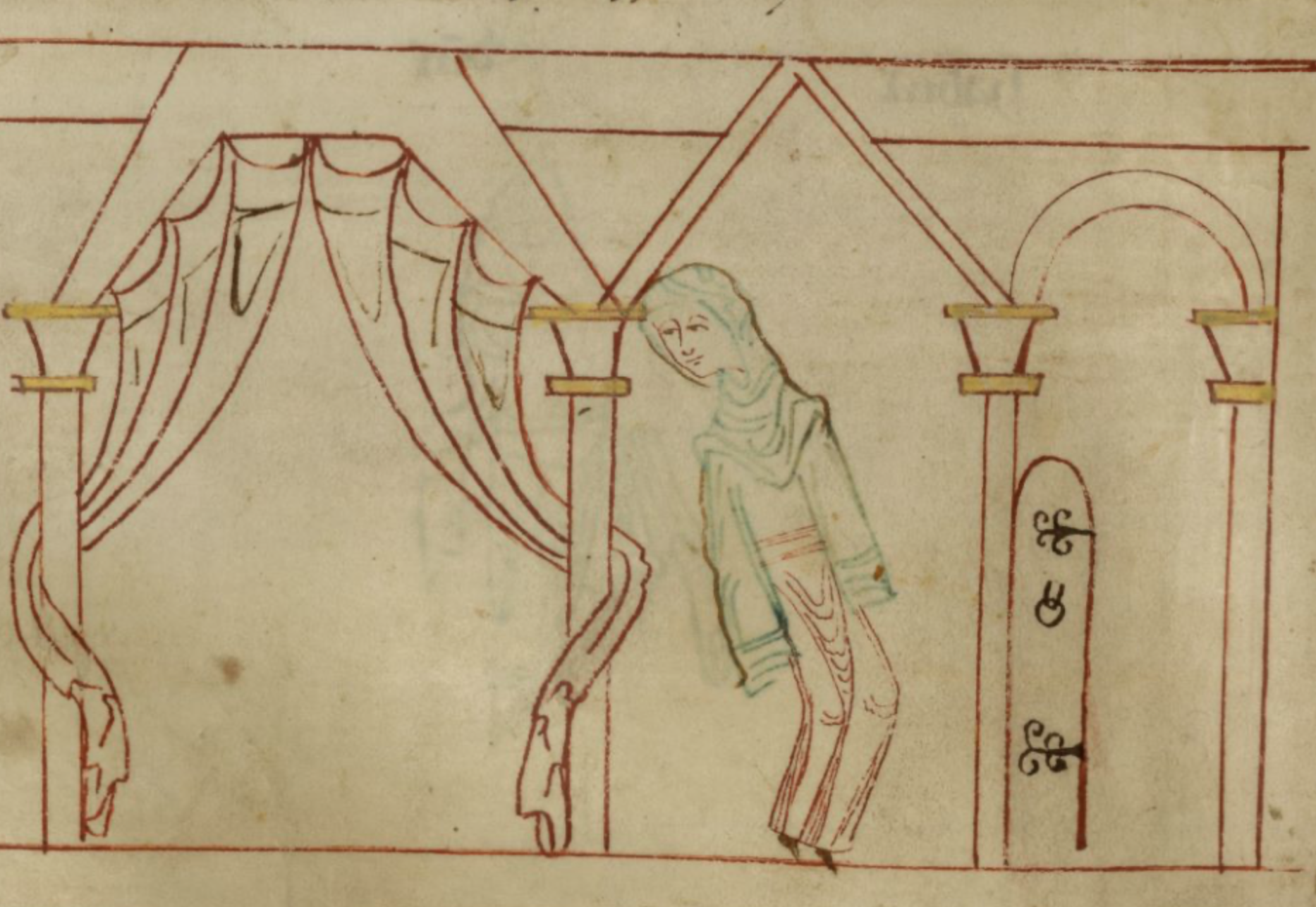
Eofor-wīc, n.n: York. (EH-ov-or-WEECH / ˈɛɔ-vɔr-ˌwiːtʃ)
bell-hūs
bell-hūs, n.n: bell tower, belfry. (BELL-HOOS / ˈbɛl-ˌhuːs)
palent
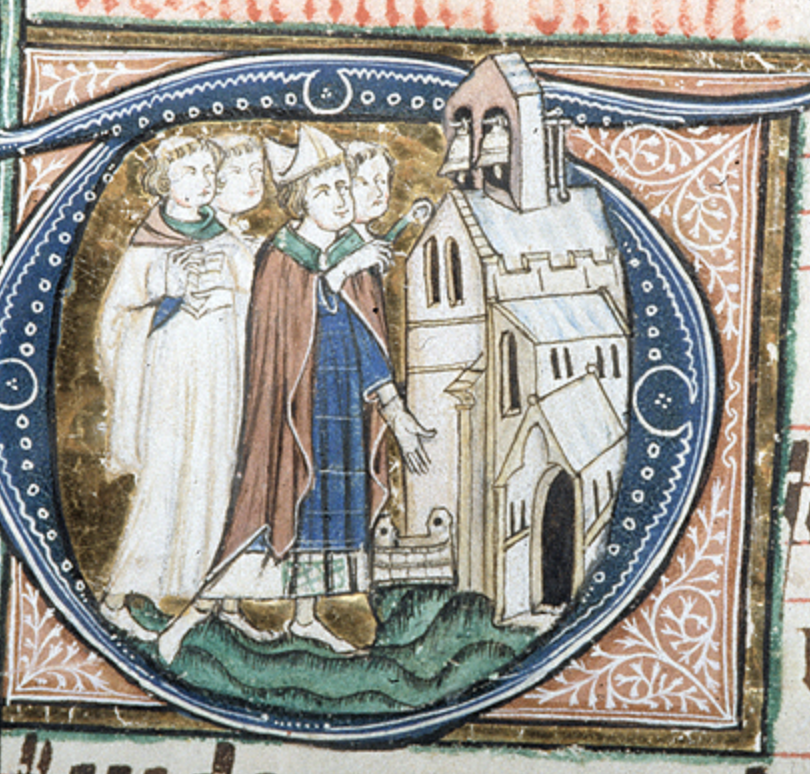
palent, m/f.n: a palace. (PA-lent / ˈpa-lɛnt)
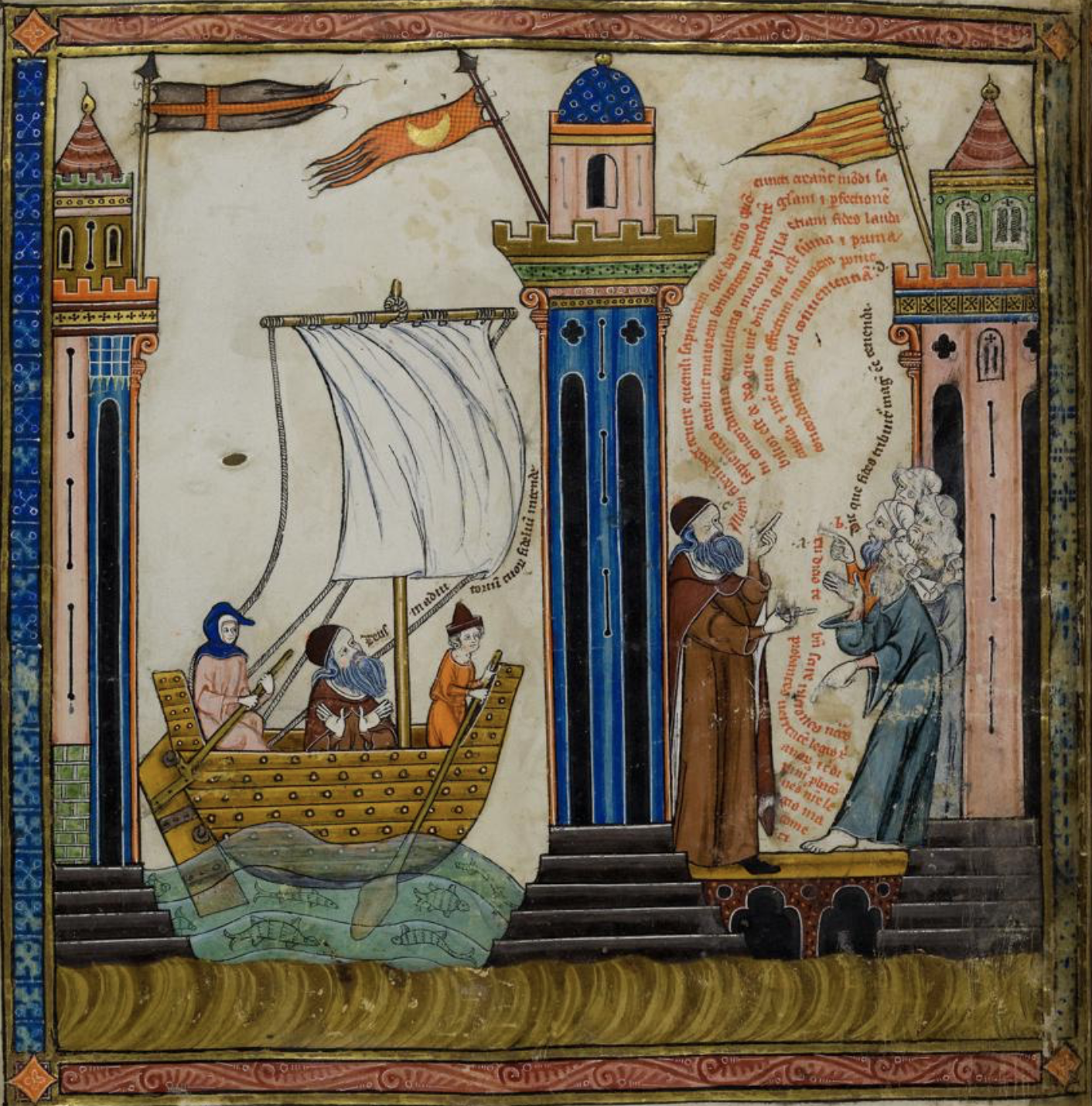
wīc-sele
wīc-sele, m.n: a hall of a settlement. (WEECH-SEH-luh / ˈwiːtʃ-ˌsɛ-lə)
Learn more about this previously unidentified word from Old English Poetry in Facsimile / Digital Mappa. (It’s not every day a ‘new’ old word is added to the dictionary!)
Read the Twitter thread on wīc-sele here.
bōc-cist
bōc-cist, f.n: a repository for books, either for reading or for sale. (BOAK-CHIST / ˈboːk-ˌtʃɪst)
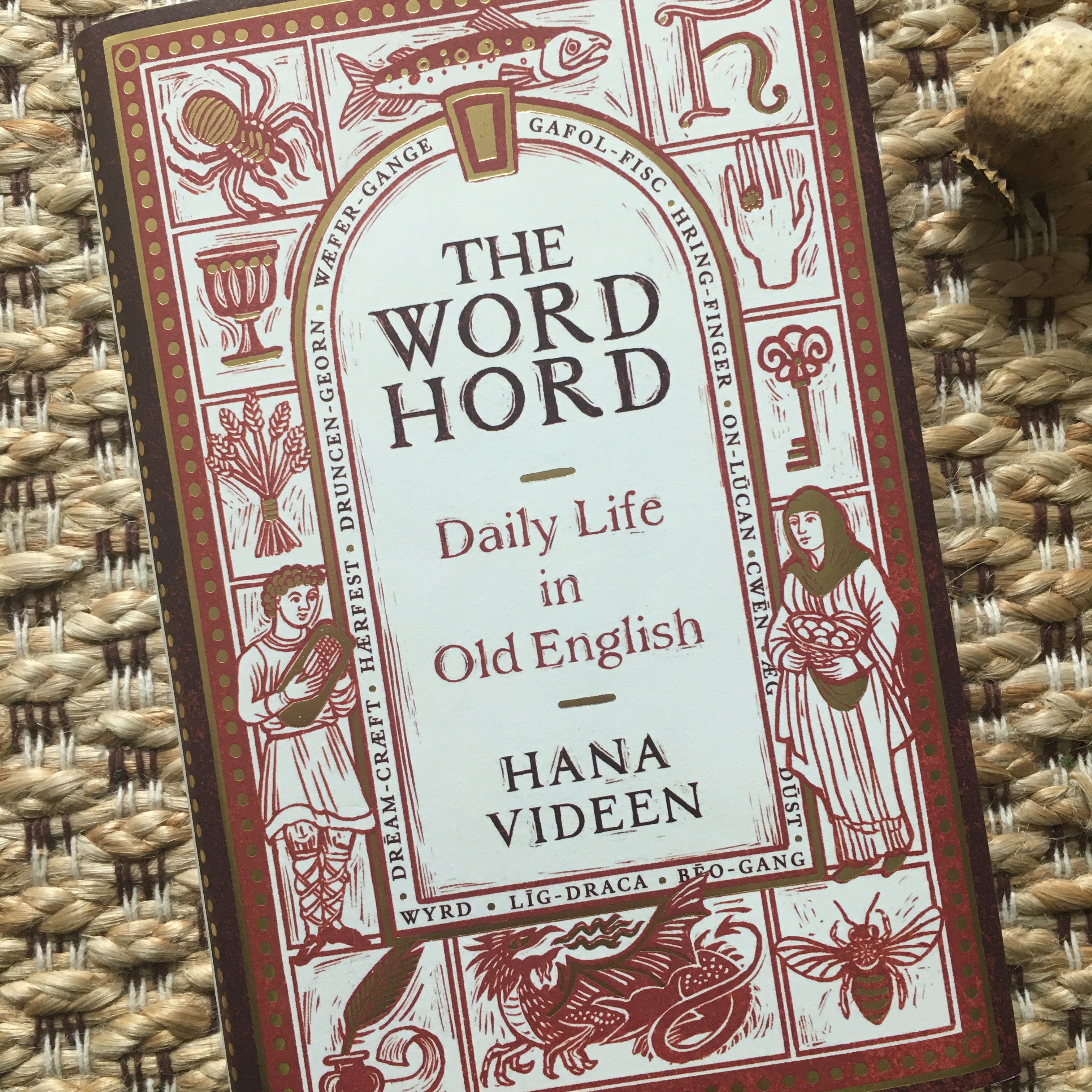
Look for The Wordhord: Daily Life in Old English at your local bōc-cist – it’s out in the US & Canada today! Find out more.
 Old English Wordhord