feng, m.n: grip, grasp, clasp, hug, embrace; the act of seizing. (FENG / ˈfɛŋ)
It’s International Hug-A-Medievalist (with their consent) Day!

feng, m.n: grip, grasp, clasp, hug, embrace; the act of seizing. (FENG / ˈfɛŋ)
It’s International Hug-A-Medievalist (with their consent) Day!
ȳþ-mearh, m.n: ship (wave-steed). (UETH-MEH-ar’h / ˈyːθ-ˌmɛarx)
This week’s Wordhord Wednesday post is on these “wave-horses”. See it on Patreon.
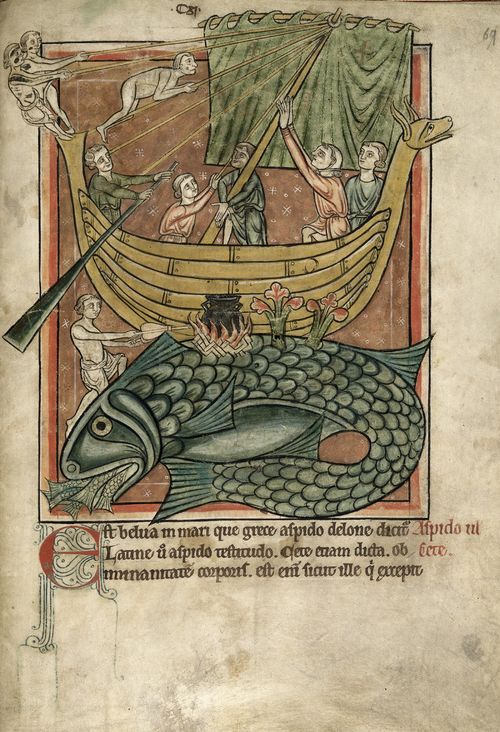
oroþ, n.n: breath, breathing. (OR-oth / ˈɔ-rɔθ)
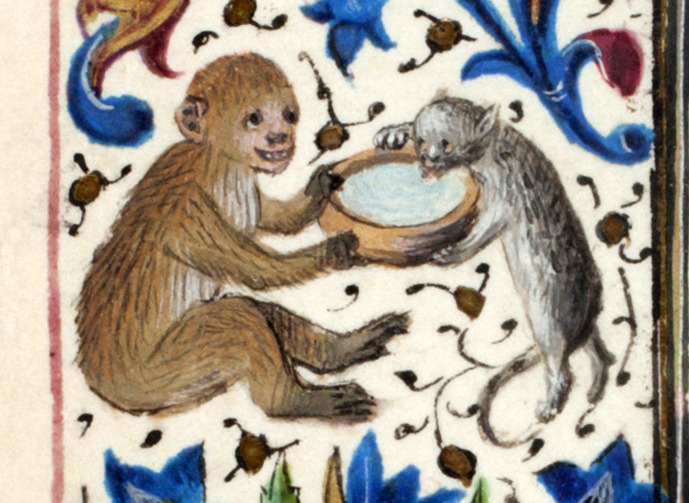
cū-meoluc, f.n: cow’s milk. (KOO-MEH-o-luk / ˈkuː-ˌmɛɔ-lʌk)
hwæt, adj: quick, swift; active, vigorous; bold, brave. (H’WAT / ˈhwæt)
A word chosen by Matthew P. for Goldgifa Week! To learn more about Goldgifa Week visit my page on Patreon.
See also hwæt the interjection from November 2013, when the Old English Wordhord was only a couple of weeks old!
singan, str.v: to sing, recite, relate musically or in verse; to compose verse, narrate; to sing about, recite or compose a poem about something. (SING-gahn / ˈsɪŋ-gan)
This week’s Wordhord Wednesday post is ‘the wonderful wave-roamer’. Read/hear it on Patreon.
wundor-līc, adj: wondrous, exciting admiration or surprise. (WUN-dor-leech / ˈwʌn-dɔr-liːtʃ)
mist-glōm, m.n: mist-gloom, darkness caused by mist. (MIST-GLOAM / ˈmɪst-ˌgloːm)
a-cǣglod, adj: pegged, studded with pegs; serrated (definition uncertain). (ah-KAG-lodd / a-ˈkæː-glɔd)
This word comes from the Old English translation of Alexander the Great’s letter to Aristotle in a description of a strange creature known as the ‘moon-head’. To read the full description and see medieval and modern illustrations of this critter, visit Dēor-hord: a medieval and modern bestiary.
snōd, f.n: snood, headdress. (SNOAD / ˈsnoːd)
 Old English Wordhord