ramm, m.n: a ram (animal); an instrument for pounding or battering. (RAHM / ˈram)
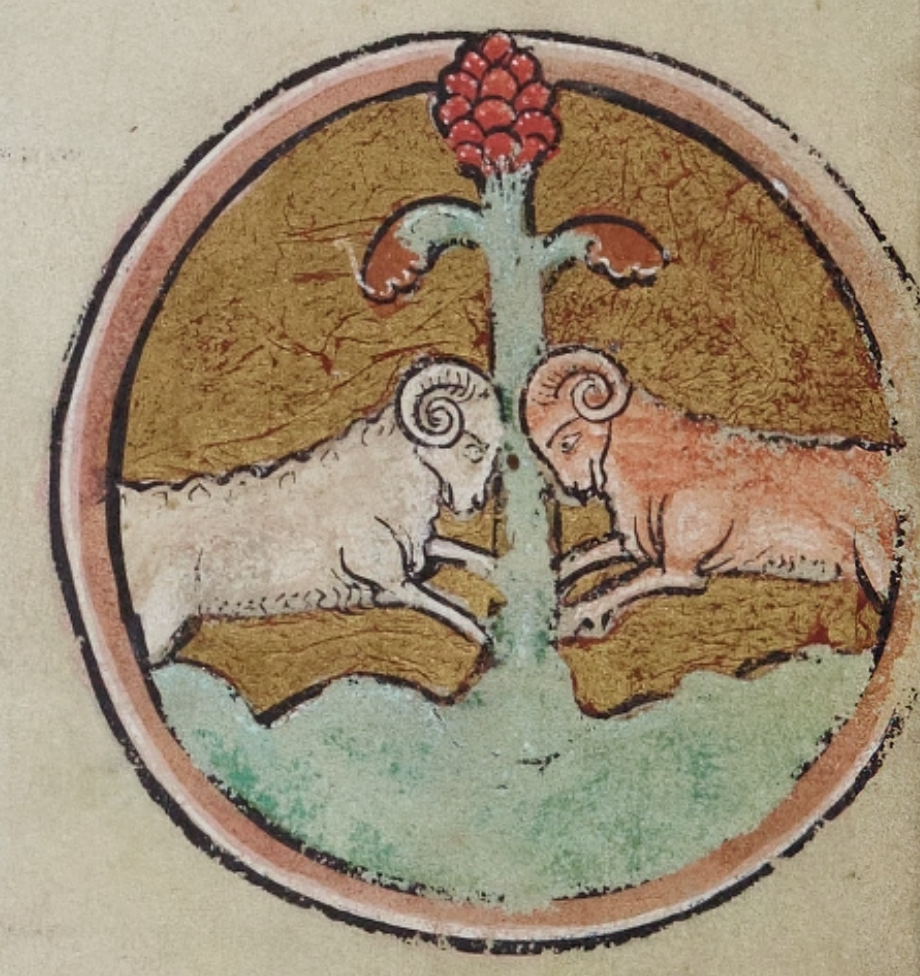
ramm, m.n: a ram (animal); an instrument for pounding or battering. (RAHM / ˈram)
frid-hengest, m.n: of uncertain meaning but ‘hengest’ is definitely ‘horse’; one suggestion is ‘horse-horse’ (tautological); less likely are ‘beautiful-horse’, ‘peace-horse’ or ‘war-horse’. (FRID-HENG-gest / ˈfrɪd-ˌhɛŋ-gɛst)
hremn, m.n: raven. (H’REH-mun / ˈhrɛ-mən)

yrfe, n.n: cattle. (UER-vuh / ˈyr-və)

lempedu, f.n: a lamprey. (LEM-peh-duh / ˈlɛm-pɛ-dʌ)

dēoren, adj: of or like a wild animal. (DAY-o-ren / ˈdeːɔ-rɛn)
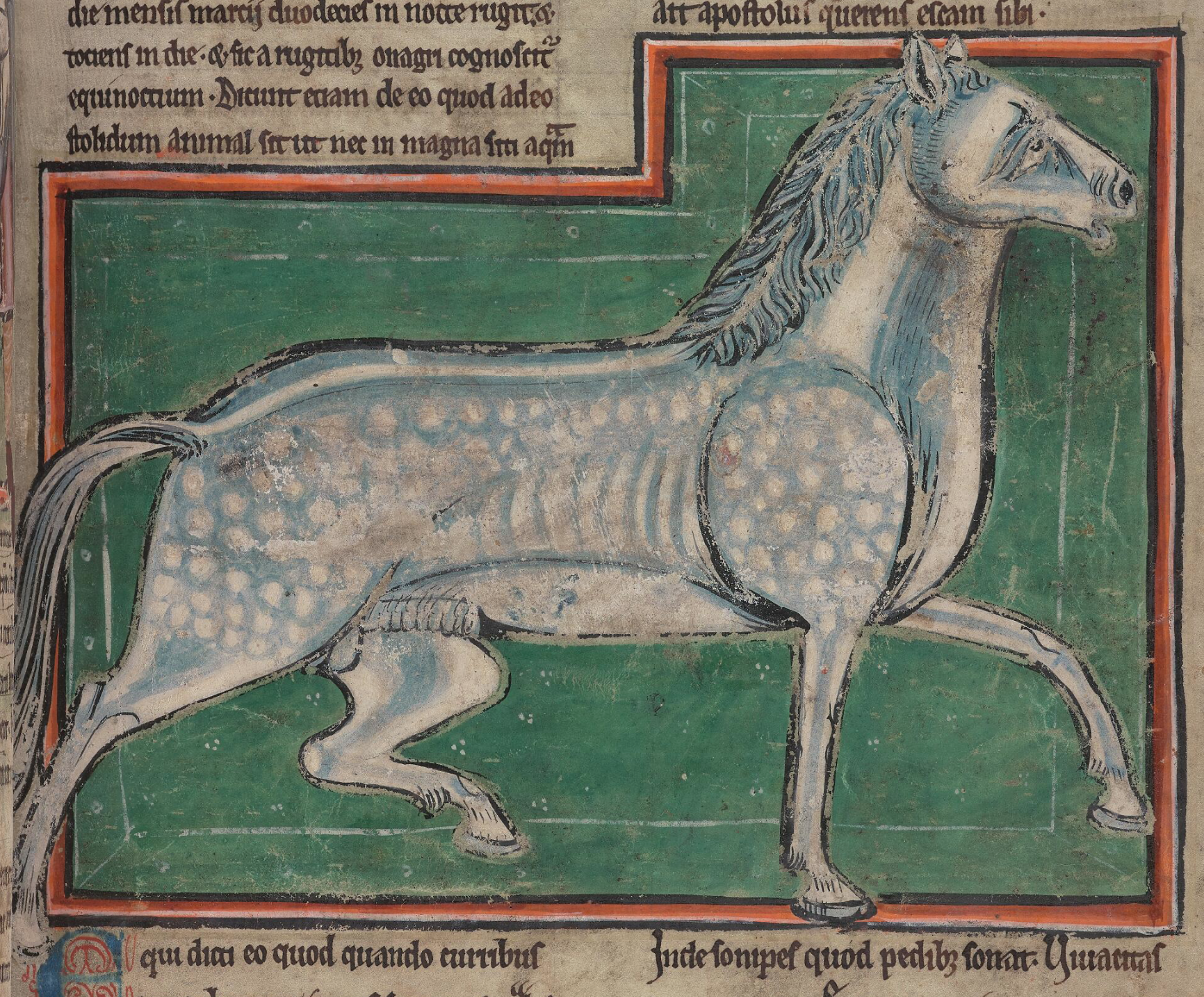
stēda, m.n: stallion (mainly equine but also used for a male camel). (STAY-da / ˈsteː-da)

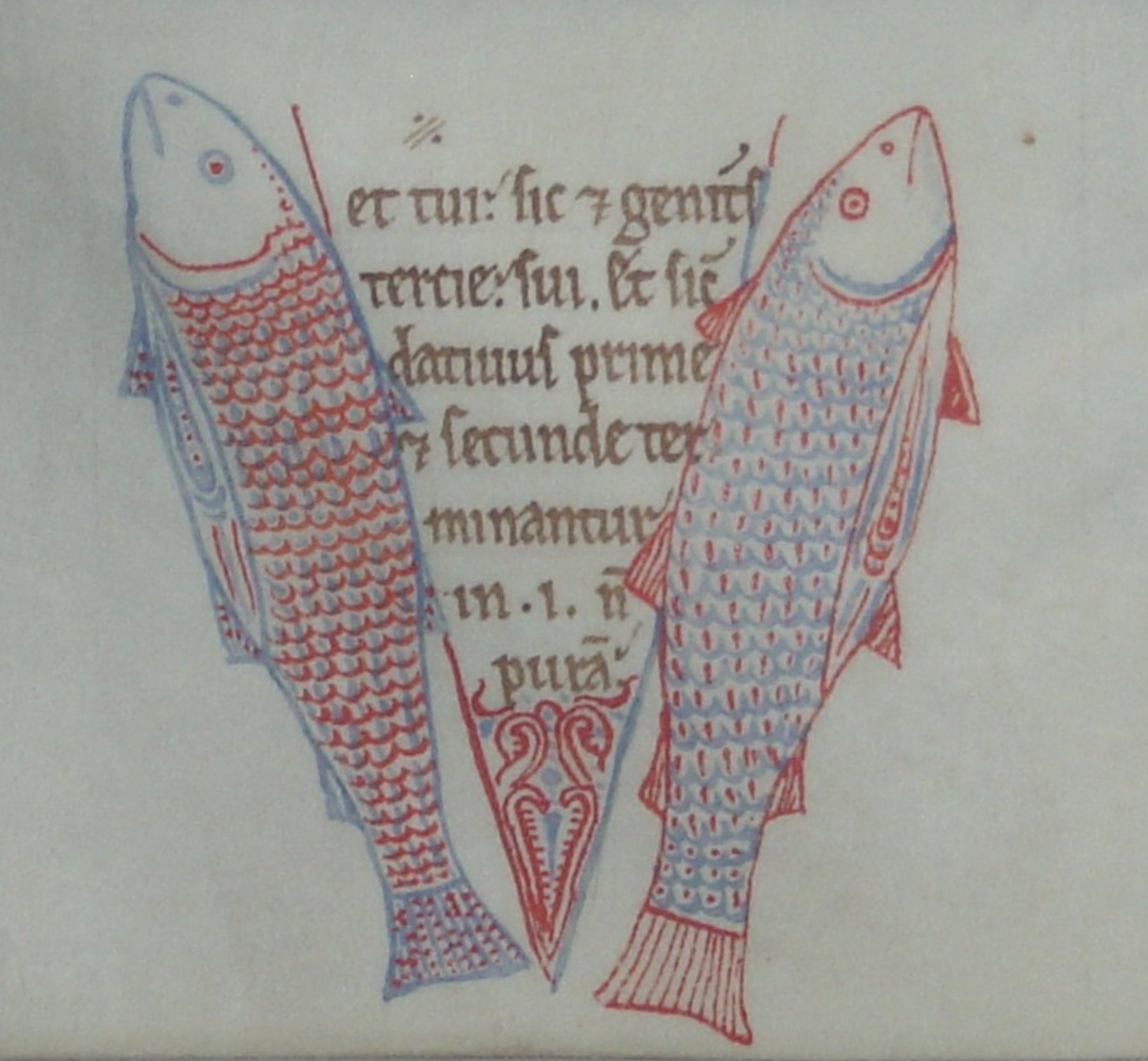
mere-fisc, m.n: sea-fish. (MEH-ruh-FISH / ˈmɛ-rə-ˌfɪʃ)
weþer, m.n: ram. (WEH-ther / ˈwɛ-θɛr)

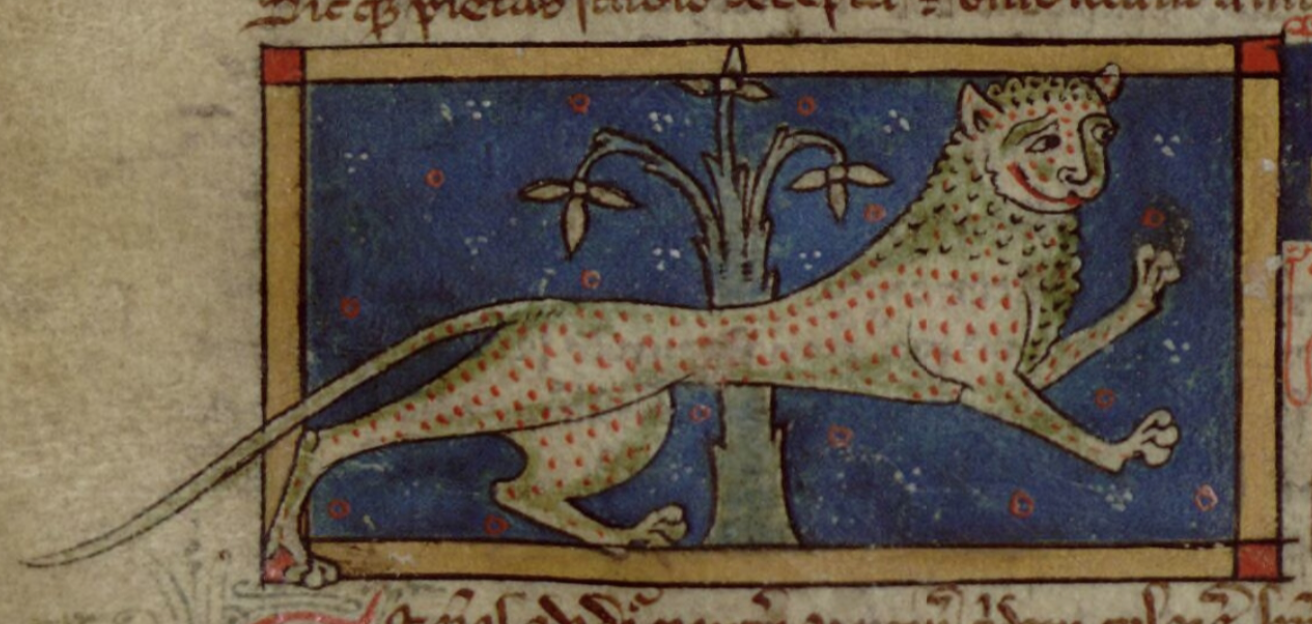
pard, n: leopard or panther. (PARD / ˈpard)
 Old English Wordhord