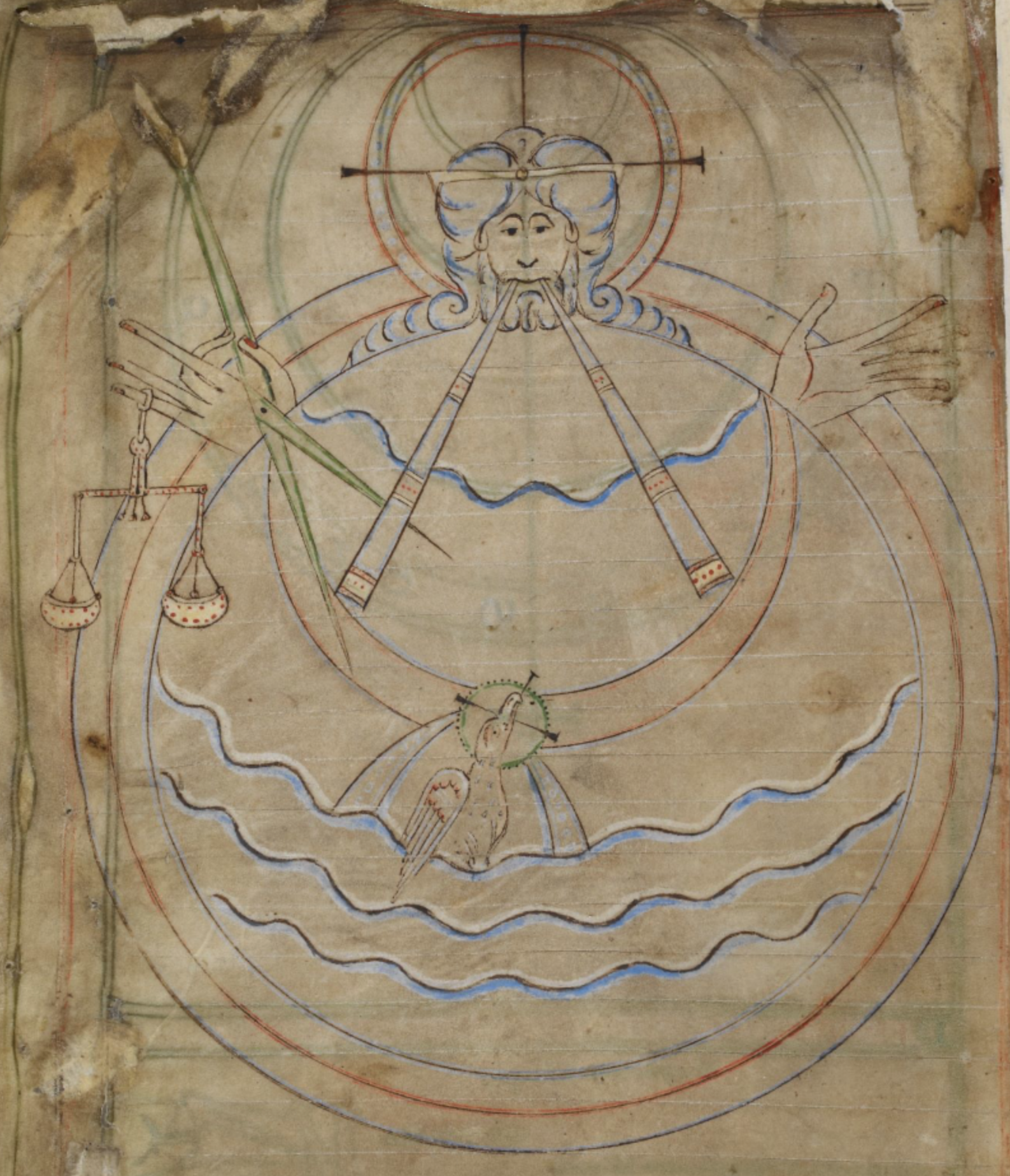
ōra, m.n: a border, edge, margin, bank. (OH-ra / ˈoː-ra)
This week’s Wordhord Wednesday post is on hostile fingrum and clean ears. Read it on Patreon.
ōra, m.n: a border, edge, margin, bank. (OH-ra / ˈoː-ra)
This week’s Wordhord Wednesday post is on hostile fingrum and clean ears. Read it on Patreon.
corn-hūs, n.n: granary. (KORN-HOOS / ˈkɔrn-ˌhuːs)
fisc-hūs, n.n: ‘fish-house’, place or building for storing and perhaps selling fish. (FISH-HOOS / ˈfɪʃ-ˌhuːs)
hām-steall, m.n: dwelling, homestead, home. (HAHM-STEH-all / ˈhaːm-ˌstɛal)
Hagustaldes, n: Hexham. (HA-guh-STALL-dess / ˈha-gʌ-ˌstal-dɛs)
mǣd, m/f.n: meadow. (MAD / ˈmæːd)

up-flēring, f.n: an upper floor, an upper chamber. (UP-FLAY-ring / ˈʌp-ˌfleː-rɪŋ)
þēater, m.n: theatre. (THAY-ah-ter / ˈθeːa-tɛr)
cēap-stōw, f.n: marketplace. (CHAY-op-STOH / ˈtʃeːap-ˌstoːw)

molde, f.n: mould, dust, sand, earth; ground, land; earth (the dwelling place of humans). (MOLL-duh / ˈmɔl-də)
(And yes, people knew that the earth was round in the medieval period and antiquity.)