swīþ-snel, adj: very quick. (SWEETH-SNELL / ˈswiːθ-ˌsnɛl)
Category Archives: measuring
twelf
twelf, n/numeral/adj: twelve (12). (TWELF / ˈtwɛlf)

Ic ēow þancie, everyone who shared their favourite Old English word(s) for Old English Wordhord’s 12th birthday. May your hoards of words grow ever more wondrous. For my personal favourites, see the “hord highlights” category on this blog or on the Old English Wordhord App.

fullunga
fullunga, adv: fully. (FULL-lung-ga / ˈfʌl-lʌŋ-ga)
niht-eald
niht-eald, adj: a day/night old. (NI’HT-EH-ald / ˈnɪxt-ˌɛald)
niht
niht, f.n: night (as opposed to day); night, darkness (as opposed to light); a unit of measurement (instead of counting days). (NI’HT / ˈnɪxt)

fīf
fīf, n/numeral/adj: five. (FEEF / ˈfiːf)
un-ārīmed
un-ārīmed, adj: unnumbered, countless. (UN-ah-REE-med / ˈʌn-aː-ˌriː-mɛd)
dēop
dēop, adj: deep, extending downwards; describing the extreme of range (of understanding, thought, doctrine, oaths, etc.), profound, complete. (DAY-op / ˈdeːɔp)
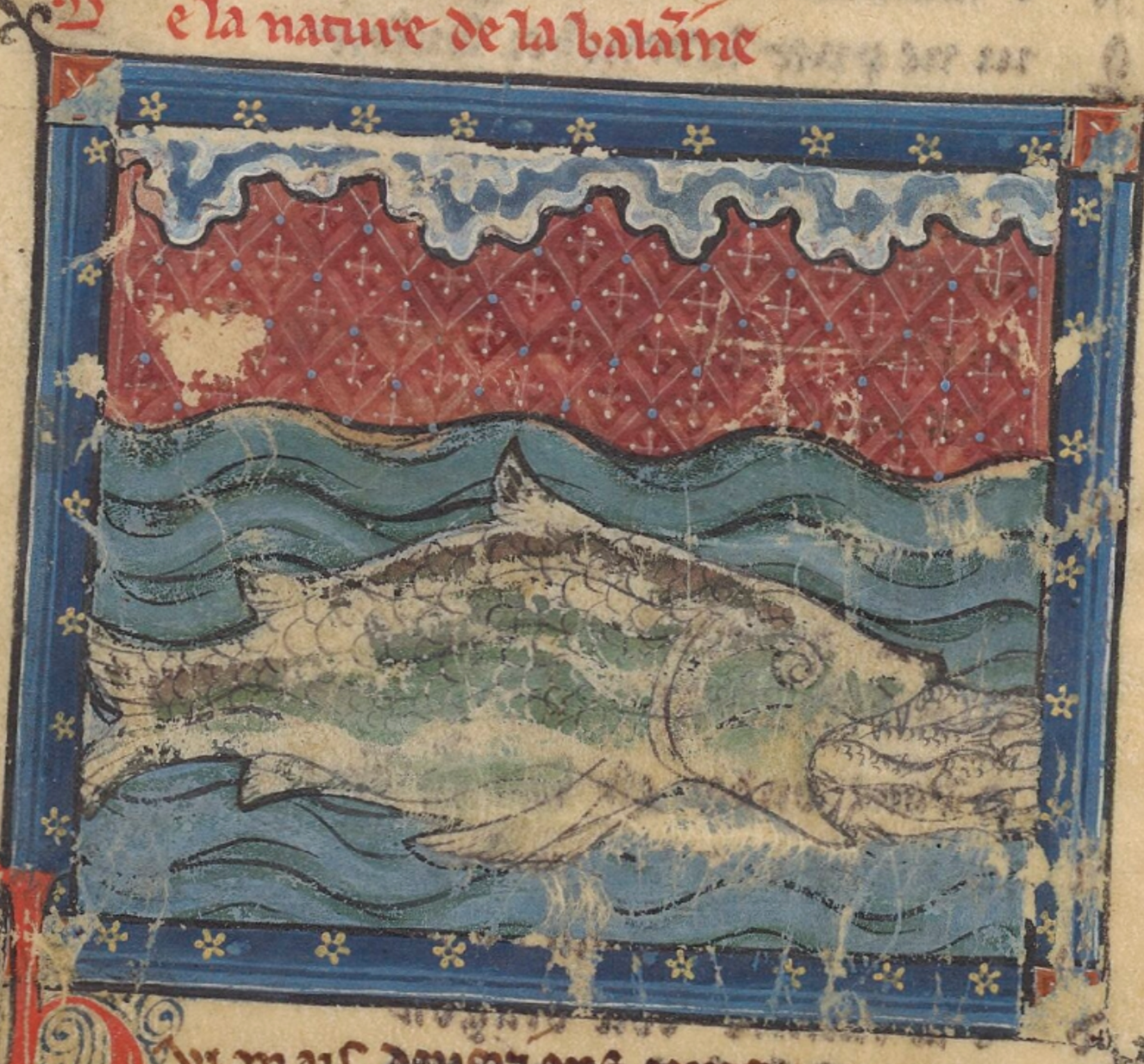
fæþm
fæþm, m/f.n: bosom, embrace; grasp, clutch, possession; fathom (a unit of measurement). (FATH-um / ˈfæ-θəm)
emnettan
emnettan, wk.v: to make even or equal, to regulate. (EM-net-tahn / ˈɛm-nɛt-tan)
 Old English Wordhord